
boskopoid
- adjective
- /ˈbɑːskəˌpɔɪd/
- Archaic
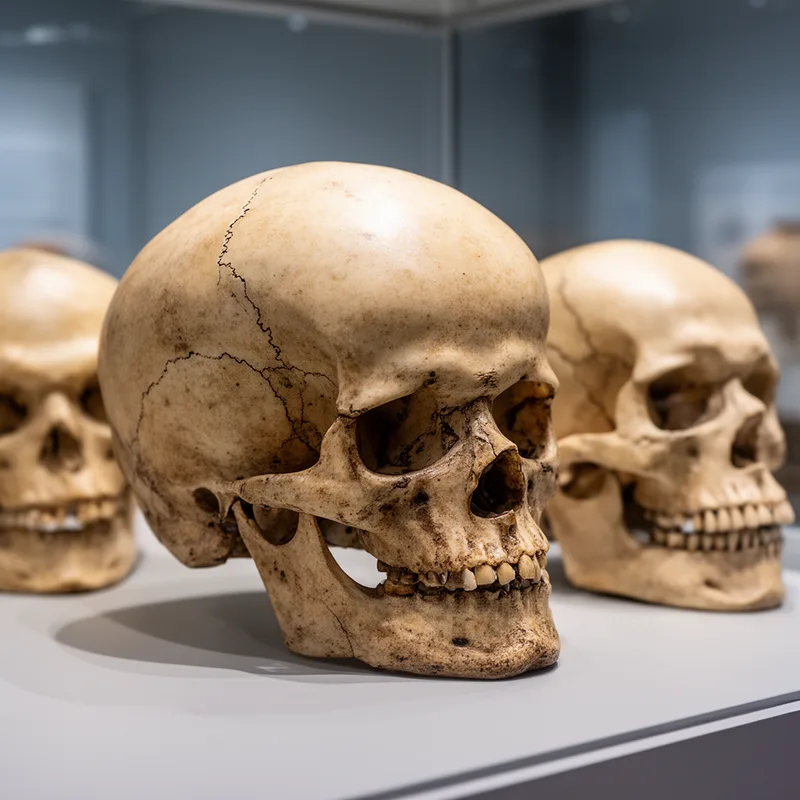
- The skull was described as boskopoid in shape by early anthropologists.
Examples
-
Several fossils found in the region display boskopoid cranial features.
-
The boskopoid features of the skull were fascinating to the researchers.
-
The term boskopoid is rarely used in modern anthropology due to outdated classification systems.
-
Some scientists believe that the boskopoid traits indicate advanced cognitive abilities.
-
The fossils uncovered in the cave showed distinct boskopoid characteristics that intrigued the anthropologists.
-
Research on early humans includes the boskopoid skull shape, which has sparked many debates in the field.
-
The discovery of boskopoid remains adds valuable insight into the evolution of hominids in South Africa.
Synonyms

 4
8.0

Relating to the group that includes humans and great apes

Relating to humans and their early relatives
Surface Forms
Morphology
boskopoid = Boskop (semi-transparent) = Boskop + oid
Formation is regular ('Boskop' + '-oid' meaning 'resembling'), but the base is a technical proper name and the suffix is less familiar to general learners.
Etymology
Boskopoid comes from Boskop, the name of a place in South Africa where early fossil skulls were found, plus the ending -oid, which means 'like' or 'resembling'. So boskopoid describes something that is 'like' the Boskop man, an early human type known from those fossils.