
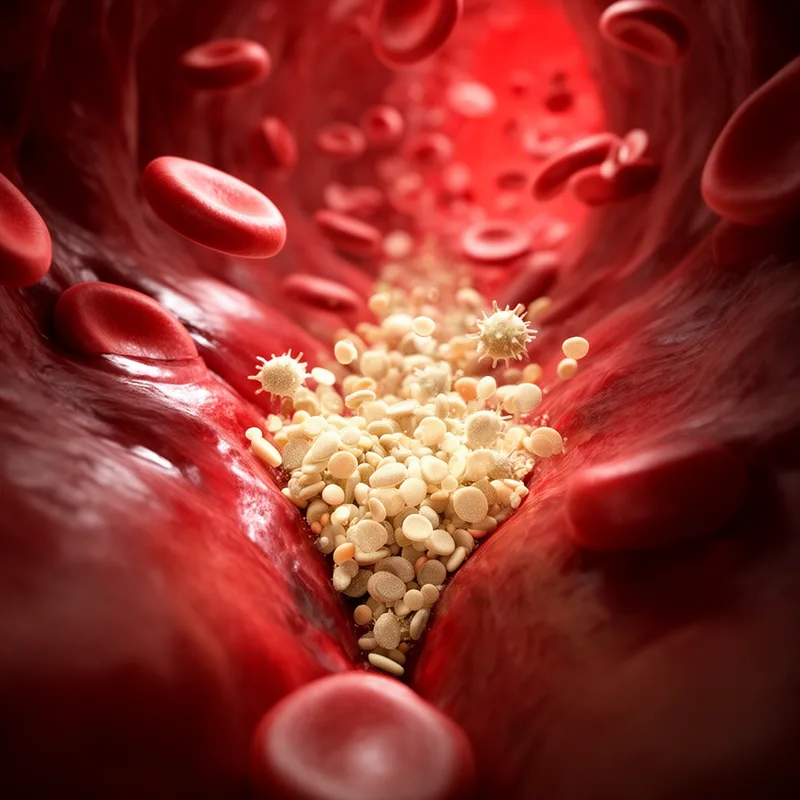
blood platelet
 1
3.5
1
3.5

- noun
- /blʌd ˈpleɪtəl/
- Specialized
- Within the saliva are proteins that prevent blood platelets from aggregating to seal the wound, a first line of the host's defense.
- blood platelet count
- stickiness of blood platelets
- blood platelets clump
Examples
-
GRAPH: Relation of bleeding risk to blood platelet counts: computed per 1000 days at risk.
Academic text (1992) -
They can destroy blood platelets or permit a particle that has broken away from a blood clot to block a blood vessel.
Academic text (2004) -
Data on the incidence of haemorrhagic manifestations of thrombocytopenia in relation to blood platelet counts in patients with acute leukaemia were first published in the early 1960s.
Academic text (1992) -
Blood platelets play a crucial role in stopping bleeding after an injury.
-
When someone has a low count of blood platelets, they may be at risk for excessive bleeding.
-
Doctors often check blood platelets to assess a patient's ability to clot and stop bleeding.
Synonyms
 26
3.6
26
3.6
Small parts in the blood that help stop bleeding
A small part of blood that helps stop bleeding by making clots
Surface Forms
Morphology
The meaning is directly compositional: combining 'blood' (the bodily fluid) with 'platelet' (a small blood cell involved in clotting) yields a platelet that is in or related to blood. This noun–noun compound follows common English and cross-linguistic patterns, so a B1 learner who knows both constituents will readily understand the term.
Etymology
The noun blood platelet comes from the idea of tiny platelet or 'plate' pieces in the blood. These small plate-like pieces stick together to form a plug and 'stop bleeding', which is why the name fits their job.