

thrombocyte
8.1
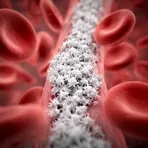
A small part of blood that helps stop bleeding by making clots
- noun
- /ˈθrɒmboʊˌsaɪt/
- Specialized
:
trombocito
- Doctors often check the number of thrombocytes in your blood to evaluate your health.
Examples
-
Thrombocytes help stop bleeding by forming a clot when you get a cut.
-
This illness is a more common disease that is seen among middle-aged men, which is triggered by an increase in thrombocytes, leucocytes, and red blood cells.
Blog text (28) -
A low level of thrombocytes can lead to excessive bleeding after an injury.
Synonyms

 52
2.5
52
2.5

A cell in the blood that carries oxygen or fights infection
is the specific clotting fragment rather than a general circulating cell
 26
3.6
26
3.6
Small parts in the blood that help stop bleeding
is the scientific name for the same blood fragment
 1
8.3
1
8.3
A cell in the blood such as a red or white blood cell
is the particular clotting fragment rather than a general cell term
 1
3.5
1
3.5
Small pieces of cells in the blood that help stop bleeding by forming clots
is about general clotting rather than plug-forming action
Surface Forms
Morphology
Etymology
Thrombocyte comes from Greek parts thrombo- from thrombos meaning 'clot' or 'lump' and -cyte meaning 'cell'. So it literally means a 'clot cell', a small cell in the blood that helps stop bleeding.