

black currant
 1
2.7
1
2.7

- noun
- /blæk ˈkɜrənt/
- The aroma of fresh sharp black currants poured over me.
- black currant jam
- black currant juice
- black currant oil
Loading YouTube…
Watch on YouTubeNo, no chocolate or black currant flavours, just plain milk of magnesia.
- No, no chocolate or black currant flavours, just plain milk of magnesia.
- It has the Comforter bubble bar sent with black currant, citrusy bergamot and earthy Cypress.
Examples
-
No, no chocolate or black currant flavours, just plain milk of magnesia.
-
The notes for this, the top notes are black currant, citrus, wild strawberries, red apple.
-
And so I chose those rose and black currant scent for these.
-
Baskets of croissants, pots of strong coffee, crystal dishes of black currant preserves.
Fiction book (1991) -
While talking, Chaya spreads black currant jam over a second buttermilk scone, the one she said she wouldn't eat.
Fiction book (1997) -
It has the Comforter bubble bar sent with black currant, citrusy bergamot and earthy Cypress.
-
You can make a delicious pie using black currant berries and a flaky crust.
-
The recipe calls for one cup of black currant jam as a filling for the pastries.
-
For a refreshing drink, try adding black currant syrup to soda water.
Synonyms
 41
1.0
41
1.0
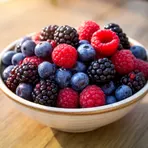
A small juicy fruit used in desserts and jams
 2
4.1
2
4.1
A small bush that produces clusters of edible berries


 1
3.2
1
3.2
A small dark purple berry or the bush that makes it that people use for jam, juice, and desserts

A bush that produces edible black berries used in jams and drinks
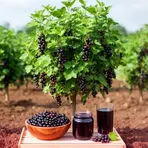
A shrub that produces small black berries used in jams and drinks
How Tart

Surface Forms
Morphology
The meaning is directly and transparently derived from combining the adjective 'black' (dark coloured) with 'currant' (a small edible berry), so it denotes a currant that is black/dark purple. This adjective+noun descriptive pattern is common and cross-linguistically frequent, so a B1 learner who knows both constituents will readily understand the term.
Etymology
Black currant comes from two simple parts: black for its dark color and currant from an old trade name for small dark dried grapes called 'raisins of Corinth'. So the name simply describes a small dark berry, which is why we use it today for the tart, dark fruit.