

benzene formula
- noun
- /ˈbɛnziːn ˈfɔːrmjʊlə/
- Specialized
- The benzene formula illustrates the structure of a closed ring of six carbon atoms.
Examples
-
Chemists often use the hexagon with a circle inside to represent the benzene formula.
-
The benzene formula shows a six-membered carbon ring with alternating double bonds.
-
August Kekulé first proposed the cyclic benzene formula in the nineteenth century.
-
The benzene formula is essential in organic chemistry.
-
Can you explain the benzene formula to me?
-
Chemists often use the hexagon with a circle inside to represent the benzene formula.
-
The benzene formula is essential in organic chemistry as it depicts molecular bonding.
Synonyms



 1
5.4
1
5.4
A ring of six carbon atoms, each joined to a hydrogen, found in many organic molecules
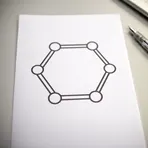
A structural drawing of benzene showing six carbons in a ring with alternating single and double bonds

A ring of six carbon atoms, each with one hydrogen

A drawing that shows how atoms are joined in a molecule
Surface Forms
Morphology
The compound noun 'benzene formula' is directly compositional: it denotes the formula (symbolic/chemical representation) belonging to benzene. A B1 learner who knows 'benzene' and 'formula' can readily infer this meaning because it follows standard noun + noun composition patterns used cross-linguistically and in scientific contexts.
Etymology
The term benzene formula comes from a famous story about the chemist August Kekulé, who said he dreamed of a snake biting its tail and making a circle. That image helped him see benzene as a closed 'ring' of six carbon atoms, so the benzene formula is shown today as a six-sided 'ring' to show those atoms and how they join.