
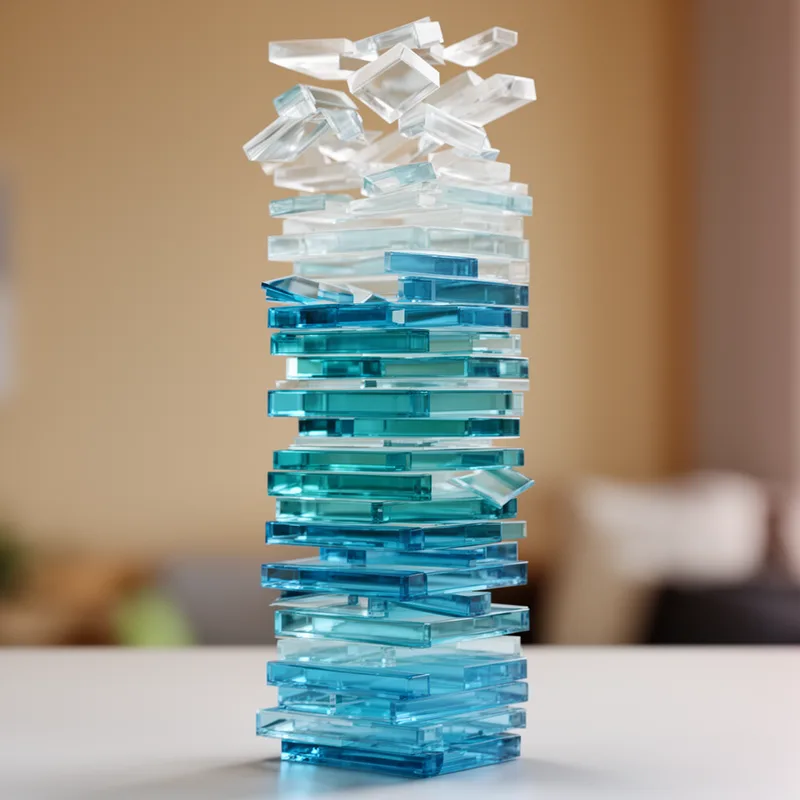
to begin to ravel
- phrasal verb
- /bɪˈɡɪn tə ˈrævəl/
 :
empezar a desmoronarse
:
empezar a desmoronarse
- His explanation began to ravel when he was questioned further.
Examples
-
As they added more details, the plot began to ravel and lost its original logic.
-
The project began to ravel after the team lost focus.
-
After the leader resigned, the organization quickly began to ravel.
-
Don't begin to ravel!
-
As the discussion went on, the plan began to ravel and became harder to follow.
-
When the project was criticized, the team's confidence began to ravel and they lost direction.
-
After multiple edits, her essay began to ravel and strayed from the main argument.
Synonyms

 9
5.3
9
5.3

To begin to fail, fall apart, or lose control
 6
8.9
6
8.9
To make a person confused and unable to think clearly

To make a situation or story more confusing
Antonyms


How Clear


Surface Forms
Morphology
The meaning 'to start becoming confused or coming apart' is directly and transparently derived from 'begin' (to start) combined with 'ravel' (to tangle, confuse); the word 'to' is just an infinitival marker and does not add idiomatic meaning. This straightforward compositional pattern is predictable and likely inferable by a B1 learner who knows the constituent words.
Etymology
Begin to ravel comes from cloth: when a loose thread is pulled, the fabric begins to ravel, and the threads come undone. That's why it means 'to come apart' or 'to become confused'.