

bay laurel
- noun
- /beɪ ˈlɔːrəl/
- In ancient Rome, victors were crowned with bay laurel as a symbol of honor and success.
Examples
-
She decided to plant a bay laurel in her garden for its fragrant, aromatic leaves.
-
And then we've got a Bay Laurel right here, which this one's called Little Ragu Sweet Bay.
-
The chef added fresh leaves from the bay laurel tree to enhance the flavor of the stew.
Synonyms
 13
5.3
13
5.3

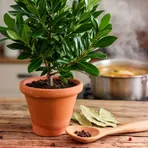
A small evergreen tree with glossy leaves used to add flavour to food
 4
5.6
4
5.6
An evergreen tree or shrub with shiny leaves used in cooking and decoration
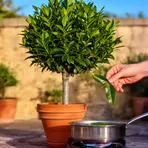
A small evergreen tree from the Mediterranean whose shiny leaves are used as bay leaves in cooking

A small evergreen tree from the Mediterranean with glossy fragrant leaves used to flavor food and for wreaths

A small evergreen tree with shiny leaves used to add flavor to food
Surface Forms
Morphology
Both constituents 'bay' and 'laurel' denote evergreen aromatic plants, so a learner who knows those words can infer that 'bay laurel' names a specific aromatic evergreen (used in cooking). The compound is compositional and matches transparent naming patterns found cross-linguistically, making the meaning directly derivable from its parts.
Etymology
Bay laurel names a small tree with shiny, scented leaves that people long ago wove into wreaths for winners. Because they put laurel crowns on winners to show 'victory' and 'honour', the plant became a sign of praise and its leaves are still used to add flavor when cooking.