

to avoid
 ∞
1.0
∞
1.0

- verb
- /əˈvɔɪd/
- You have to avoid burnout at all costs.
- help avoid
- avoid pitfalls
- avoid unnecessary risks
Loading YouTube…
Watch on YouTubeThere is a temptation to avoid taking risks now.
- There is a temptation to avoid taking risks now.
- It was trying to avoid conflict in the band.
- Well, if you can possibly avoid them, avoid them.
- So how do we best avoid future faking?
- Like you, you want to avoid obvious lying.
- There is no bravery in avoiding courageous challenges.
- And we're all trying to avoid pain.
- I'll do my best to avoid all such misadventures.
- He's not going to be able to avoid that little question.
- How can I reduce or avoid heavy metals?
Examples
-
Well, if you can possibly avoid them, avoid them.
-
He used to go out of his way to avoid violence of any kind.
-
And we're all trying to avoid pain.
-
OK, all three of those can help you avoid an accident, right?
-
I do all of that just to avoid thinking about James.
-
Then perhaps you should avoid breaking the law.
-
I recommend trying to avoid those if possible.
-
If you can avoid the risks, you can win.
-
We wish to avoid collateral damage.
-
To stay healthy, it is important to avoid eating junk food.
Synonyms
 ∞
2.3
∞
2.3
Stop something from happening or someone from doing it
 590
1.6
590
1.6
Keep a distance from people or things you want to avoid
 384
2.3
384
2.3
Avoid going near people or places for safety
 187
1.6
187
1.6
Stop someone or something from coming near
 127
2.4
127
2.4
To stay away from a place, person, or thing
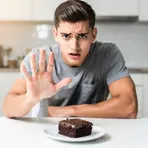 87
4.2
87
4.2
Choose not to do something you want to do
 83
5.8
83
5.8
To escape someone or fail to be understood
 73
5.0
73
5.0
To stop something bad from happening
 56
3.8
56
3.8
To avoid getting involved in an argument or fight
 55
7.2
55
7.2
To stop something from happening or make it impossible
 48
3.2
48
3.2
To avoid getting into problems with the police or people in charge
 42
3.4
42
3.4
Choose a careful option to avoid risks
 34
4.0
34
4.0
To stay away from people and things that may cause trouble or harm
 34
4.4
34
4.4
To keep harmful or unpleasant things away from you
 34
3.9
34
3.9
Keep unwanted people or things away so they do not harm you
 32
3.9
32
3.9
To stay away from people or things to avoid close contact
 30
6.4
30
6.4
To stop something bad from happening for a while
 26
4.6
26
4.6
To avoid someone or something and refuse to meet and speak to them on purpose
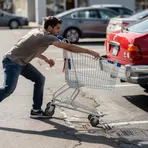 23
4.8
23
4.8
Stop something from happening by acting early
 23
8.9
23
8.9
To avoid something on purpose
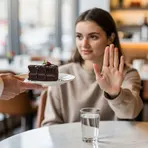 18
5.0
18
5.0
To choose not to take something, often for health or religious reasons
 15
3.7
15
3.7
To refuse to have anything to do with someone or something
 10
6.3
10
6.3
To avoid getting too close to someone or something, often emotionally
 5
9.1
5
9.1
Prevent a problem or need by acting before it happens
 2
9.9
2
9.9
To stop danger or harm from happening

To stop something bad from happening
Antonyms


Idioms

Phrasal Verbs
 2
3.2
2
3.2
Stay away from things that make you feel nervous or worried to protect your health
How Complete

Surface Forms
Etymology
The word avoid comes from an old French word that meant 'to empty' or 'turn away' and is related to the English word void ('empty'). So, to avoid something is like keeping a space 'empty' of it or turning away from it, which fits the modern idea of staying away to prevent harm.