
autotroph
 2
9.3
2
9.3

- noun
- /ˈɔːtəˌtrɔf/
- Specialized
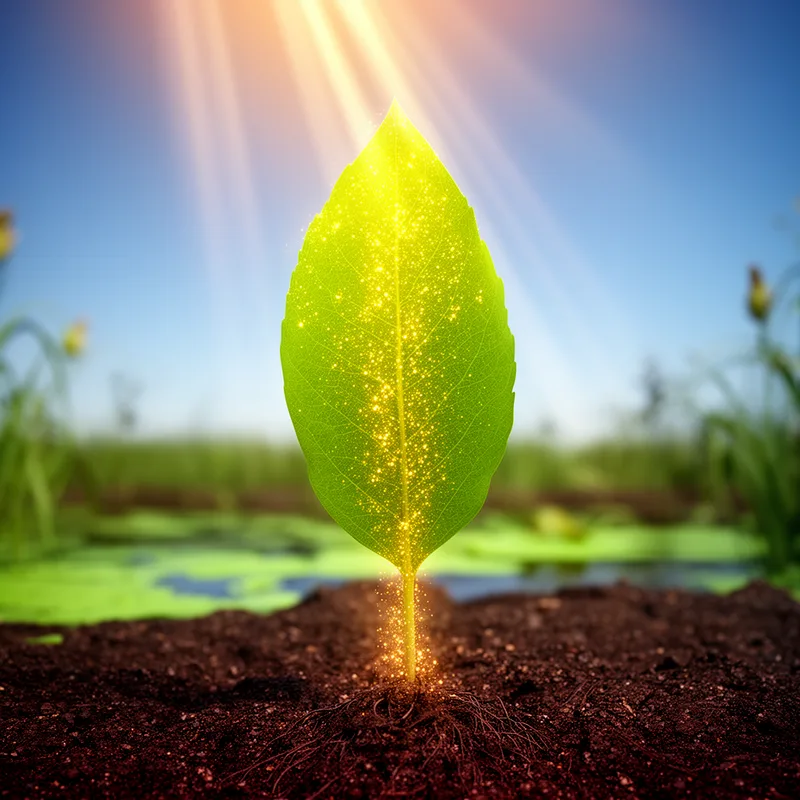
- Photosynthetic organisms, such as plants, are known as autotrophs because they generate their own sustenance.
Examples
-
Neither side would be better off totally eliminating the enemy because autotrophs and heterotrophs are dependent on each other.
Academic text (1994) -
The activity of soil autotrophs should be less coupled to levels of soil organic matter than that of soil heterotrophs as long as adequate supplies of inorganic nutrients are present.
Academic text (1999) -
Plants, meanwhile, are autotrophs, or producers.
-
Well, there's three ways that autotrophs can get energy and reducing power to drive this reaction.
-
Bacteria in this environment are often thought of as all being autotrophs, but of these 161 species, over 97% are also capable of heterotrophic growth.
-
Bacteria capable of using these electron donors are mainly slow-growing autotrophs that mostly prefer nitrite as a terminal electron acceptor.
Academic text (2008) -
Ammonia is the electron donor, and nitrite is the electron acceptor. These bacteria are slow-growing autotrophs.
Academic text (2008) -
Like Keeton, Curtis emphasized energetics at both the cellular and ecological levels, and she presented the distinction between autotrophs and heterotrophs as fundamental.
Academic text (2012) -
An autotroph produces its own food using sunlight and inorganic materials.
-
Green plants are examples of autotrophs that convert sunlight into energy through photosynthesis.
Synonyms

 1
7.4
1
7.4
A living thing that makes its own food from sunlight or chemicals, like plants

A plant that makes its own food from sunlight, water, and air

A plant that makes its own food using sunlight and air
Antonyms

- Specialized
1
9.4
A living thing that gets food by eating other living things or dead matter
Compounds

- Specialized
A living thing that gets energy from chemical reactions and uses carbon dioxide as its main source of carbon
How Self-Producing
- Specialized
2
9.3

- Specialized
- Specialized
1
9.4
- Specialized
111
4.2
Surface Forms
Morphology
autotroph = auto + troph
The word is built transparently from the combining form auto- 'self' plus a classical nutrition-related root, but the second element is not a standalone English word and the term is mainly learned as a scientific vocabulary item.
Etymology
Autotroph comes from auto- meaning 'self', as in automatic, and -troph meaning 'feed' or 'nourish', as in atrophy, when a part of the body does not get food and becomes smaller. So an autotroph is a living thing that 'feeds itself' by making its own food.