
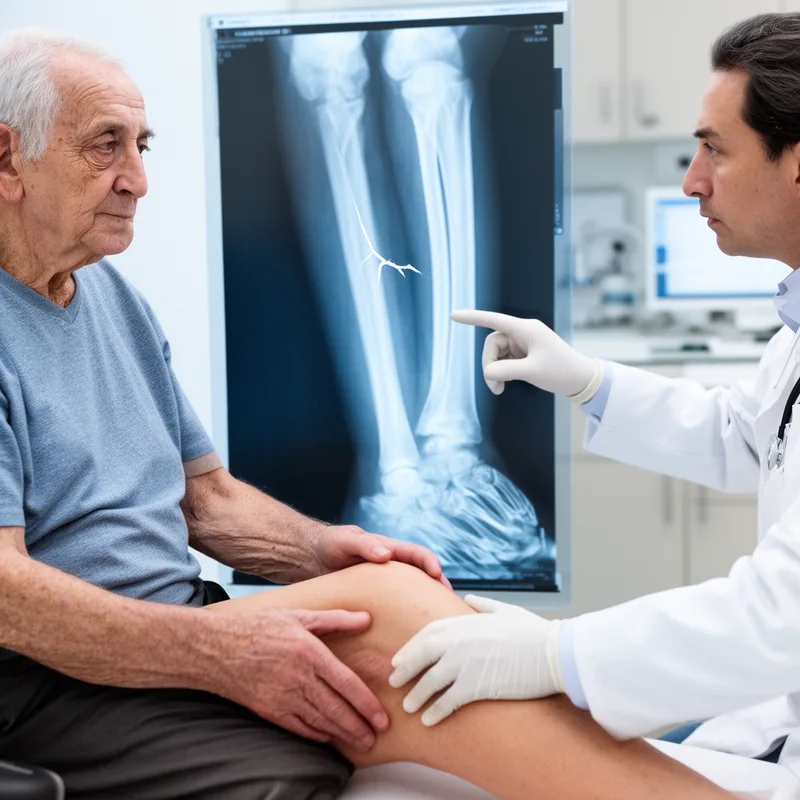
atraumatic
 1
7.1

- adjective
- /ˌeɪtrəˈmætɪk/
- Specialized
- Traditionally, the initial treatment for shoulder instability has been nonsurgical for both traumatic and atraumatic injuries.
- atraumatic instability
- atraumatic dislocation
- atraumatic degenerative
Examples
-
Atraumatic shoulder instability is currently being treated appropriately with immobilization, rehabilitation, and a gradual return to vigorous activities.
Academic text (2003) -
Typically, atraumatic instability results from chronic micro-repetitive injuries, such as those seen in the throwing athlete.
Academic text (2003) -
Even with varied conservative programs, research has revealed excellent results in the patient who sustained an atraumatic dislocation.
Academic text (2003) -
The initial therapy for atraumatic instability should be nonoperative.
Academic text (2003) -
Shoulder instability is classified as either traumatic or atraumatic based on the mechanism of injury.
Academic text (2003) -
Many retrospective studies have been conducted on the treatment of shoulder instability for both atraumatic and traumatic dislocations.
Academic text (2003) -
There are six phases of progressive exercise rehabilitation specifically designed for patients with atraumatic degenerative RC disease, including tears, as outlined in Table 3.
Academic text (2016) -
The dentist performed an atraumatic extraction, ensuring that the surrounding tissue remained undamaged.
-
After the injury, the doctor confirmed that the patient's condition was atraumatic and did not require surgery.
-
The atraumatic method of administering anesthesia minimizes discomfort during medical procedures.
Antonyms
How Traumatic

Surface Forms
Morphology
Etymology
Atraumatic comes from the parts a- meaning 'not' and trauma meaning 'injury' or 'wound'. So, atraumatic describes something that did not come from an injury or that does not cause injury, a word often used by doctors.