

aspen poplar
- noun
- /ˈæspən ˈpɑːpələr/
- Specialized
- The aspen poplar is known for its smooth, white bark and delicate, trembling leaves.
Examples
-
In autumn, the aspen poplar displays brilliant yellow foliage along the mountain roads.
-
The aspen poplar is known for its white bark.
-
Many birds build their nests in the branches of the aspen poplar.
-
Many aspen poplars grow along the riverbank.
-
Many farmers in North America plant aspen poplar trees because they grow quickly and provide good shade.
-
The aspen poplar is known for its striking white bark and fluttering leaves that shimmer in the wind.
-
During our hike, we spotted a grove of tall aspen poplar trees with their characteristic pale leaves glistening in the sunlight.
Synonyms


 1
9.9
1
9.9
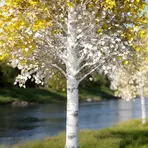
A poplar tree with white bark and leaves that are white underneath
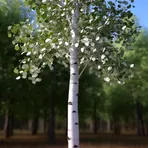
A poplar tree with white bark and pale undersides on its leaves
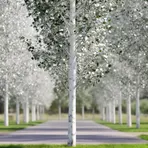
A tall tree with white bark and silvery leaf undersides used for decoration
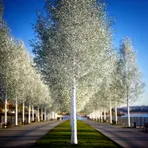
A tree with white bark and silvery leaves often planted for decoration
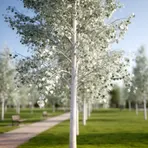
A poplar tree with white bark and pale leaf undersides
Surface Forms
Morphology
The noun phrase is a literal, descriptive botanical compound: combining 'aspen' and 'poplar' signals a type of poplar tree with aspen-like characteristics, so the overall meaning follows directly from the constituents. This is not idiomatic or metaphorical and such compounding for species names is cross-linguistically common, so a B1 learner who knows both words will readily understand it.
Etymology
Aspen poplar combines aspen (a tree known for leaves that shake in the wind) and poplar (a common fast-growing tree). The name gives a clear image of a white-barked tree with pale, shaking leaves, so it simply refers to that particular kind of tree.