

white poplar
- noun
- /waɪt ˈpɑːpələr/
- The white poplar tree is known for its striking appearance.
Examples
-
They planted a row of white poplars along the driveway for shade and beauty.
-
The bark of the white poplar stands out starkly against the winter landscape.
-
The white poplar is easily recognized by the silvery underside of its leaves.
-
In spring, the white poplar blooms beautifully.
-
The white bark of the white poplar stood out against the green foliage.
-
In the park, the expansive canopy of the white poplar provided ample shade on a hot day.
-
Gardeners often choose the white poplar for its striking appearance and fast growth.
Synonyms


 1
9.9
1
9.9
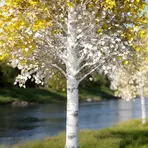
A poplar tree with white bark and leaves that are white underneath
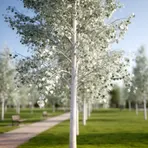
A poplar tree with white bark and pale leaf undersides
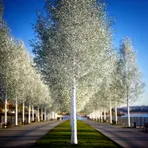
A tree with white bark and silvery leaves often planted for decoration

A poplar tree with white bark and pale undersides on its leaves

A tree with smooth white bark and leaves with pale undersides that tremble
Surface Forms
Morphology
This is a straightforward adjective + noun compound naming a variety of poplar (or the wood from that tree); a B1 learner who knows 'white' and 'poplar' can infer it refers to a pale/whitish type of poplar or its timber. The composition follows a common descriptive pattern (color + tree/wood) found across languages, so the meaning is directly derivable from the parts.
Etymology
White poplar gets its name from the tree's pale look: the word white points to the silvery undersides of its leaves and the light-coloured bark, and when the wind turns the leaves the whole tree seems white, so the name helps you recognise this poplar.