
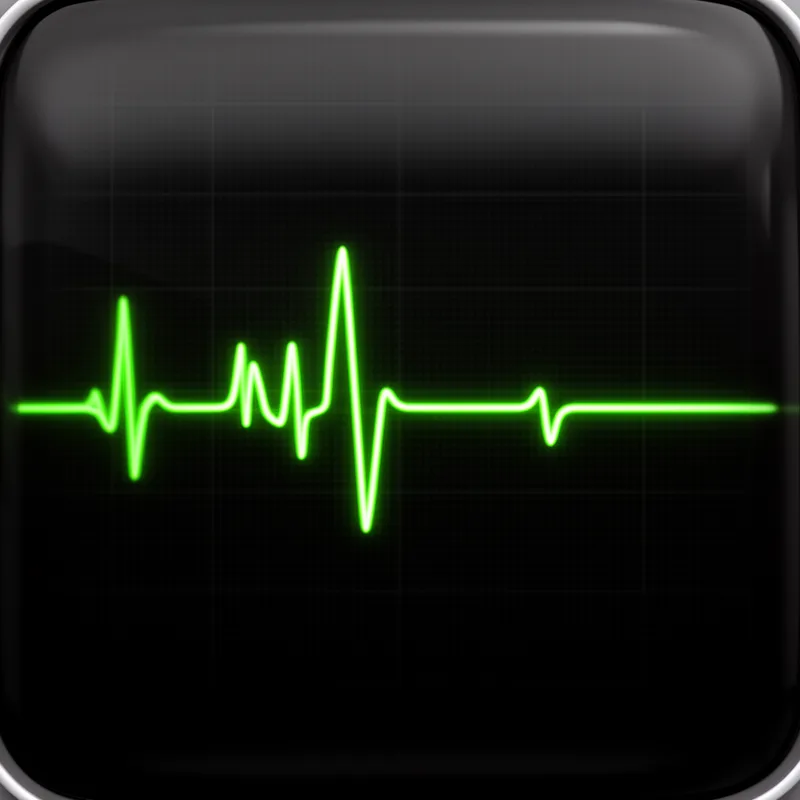
arrhythmia
 28
7.4
28
7.4

- noun
- /əˈrɪðmiə/
- Specialized
- The heart loses its synchrony because all parts of it no longer function properly, and arrhythmia occurs.
- cardiac arrhythmia
- ventricular arrhythmia
- detect arrhythmia
Loading YouTube…
Watch on YouTubeAnd through respiratory sinus arrhythmia, your heart rate is changing.
- And through respiratory sinus arrhythmia, your heart rate is changing.
- He developed a chronic cough and then a heart arrhythmia.
- Sometimes starting metoprolol can reveal an underlying heart arrhythmia or heart block that needs to be investigated.
- And if you send too much thyroid hormone to the heart, you're going to have all kinds of problems, including arrhythmias, heart palpitations.
- OK, So the, the people who are the only people who appear to be at risk from it are those with heart arrhythmias.
- But for some miscellaneous, you know, they got arrhythmia here and, and fucking Judy's rabbit.
- Or it could be, or it could be things that are, you know, that could be, you know, more concerning like bad arrhythmias or heart failure that, that that's progressing.
- Hello Rishi, they did what, Use a shopping cart handle to look for heart arrhythmias?
Examples
-
The entertainer died tuesday in Memphis from what doctors called cardiac arrhythmia.
-
And when they looked at those people who died, most of the people had arrhythmias, these abnormal heartbeats.
-
You really need to get a doctor to look at that heart arrhythmia.
-
The doctor detected a heart arrhythmia.
-
We were able to restore blood flow to the heart... but he developed a lethal arrhythmia.
-
We have a possible cardiac arrhythmia, you need a defibrillator.
-
It looks to me like arrhythmia, which is an irregular heartbeat.
-
AF is the most common, sustained cardiac arrhythmia and, if left untreated, is a significant risk factor for stroke and other morbidities.
Academic text (2014) -
The most common arrhythmia is atrial fibrillation (AF), and this poses a significant risk factor for stroke.
Academic text (2012) -
The doctor detected a heart arrhythmia during the examination.
Synonyms
 5
5.1
5
5.1
An irregular heartbeat that is too fast or too slow

An uneven beating of the heart that is not steady
Antonyms

Compounds
How Regular
- Specialized
7
3.0

- Specialized
- Specialized
28
7.4
- Specialized
1
7.8
Surface Forms
Morphology
Etymology
Arrhythmia comes from Greek parts a- meaning 'not' and rhythm meaning 'a steady beat', so it literally means 'no steady beat' and explains why it describes an irregular heartbeat.