
archaean
- adjective
- /ɑrˈkiːən/
- UK
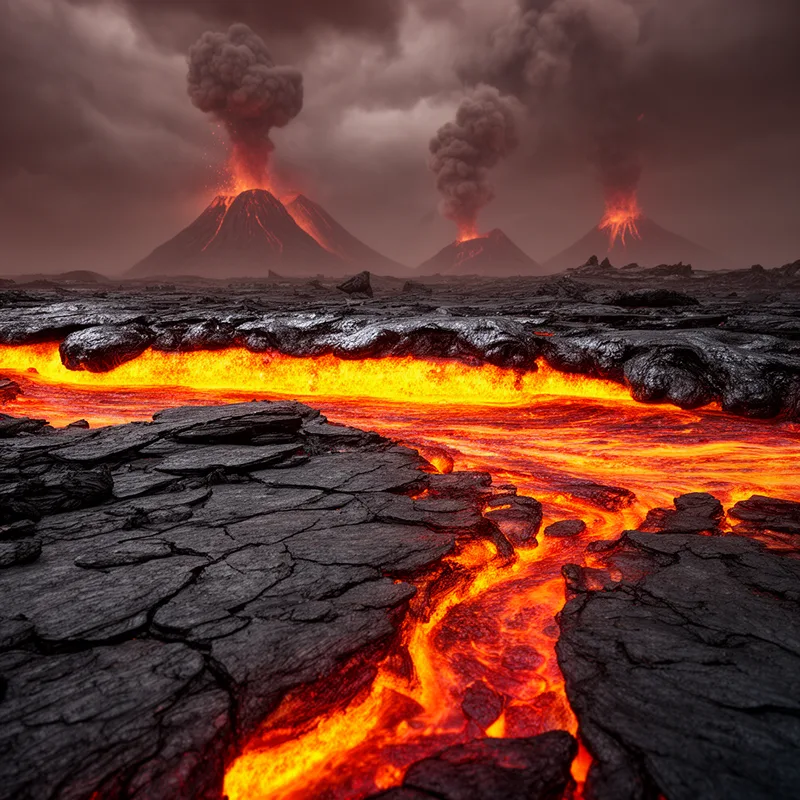
- The archaean period is characterized by the formation of the planet's first solid crust and the emergence of simple life forms.
Examples
-
Fossils from the archaean eon reveal fascinating details about the early atmosphere and conditions on Earth.
-
Nakla again, some more Archaean fossils, known fossils from Australia.
-
Scientists discovered archaean rocks that date back to the earliest days of Earth, providing insights into its formation.
Synonyms
From the very early time in Earth's history about 3.8 to 2.5 billion years ago used for very old rocks
The earliest part of Earth's history when the crust forms and simple life appears

A time about 3.8 to 2.5 billion years ago when the Earth's crust formed and single-celled life began

A very early time when Earth's first crust and simple life formed

A very early time on Earth when the first rocks formed and only one-celled life existed

A very early time in Earth's history when the solid crust formed and the first single-celled life appeared
Surface Forms
Morphology
archaean = archae + an
Formed from the combining form 'archae-' (ancient) + adjectival suffix '-an'; the combining form is not a standalone English word and the meaning is specialized (geological), so the relation is only partially obvious to average learners.
Etymology
The word archaean comes from an old Greek part archaeo- meaning 'ancient' or 'very old', the same root you see in archaeology. So archaean describes the very old rocks and the earliest time in Earth's history.

