
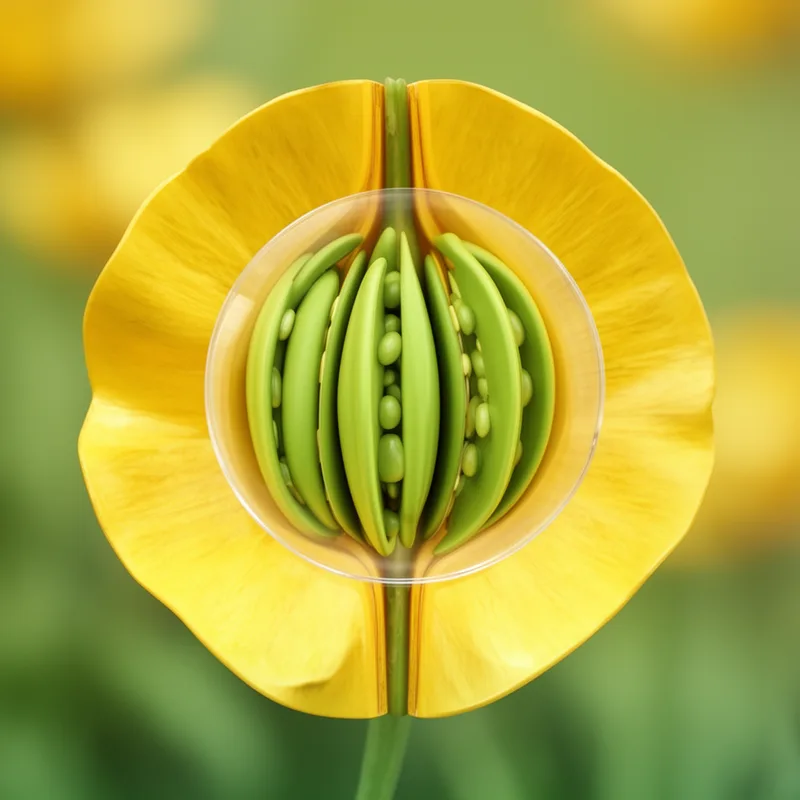
apocarpous
- adjective
- /ˌæpəˈkɑrpəs/
- Specialized
- The buttercup is an example of an apocarpous plant, with separate carpels in its ovary.
Examples
-
Roses produce apocarpous fruits, with each carpel developing independently.
-
In botany class, we studied flowers with apocarpous and syncarpous ovaries.
-
The buttercup is an apocarpous flower.
-
Is the rose apocarpous or syncarpous?
-
In botany class, we studied flowers with apocarpous and syncarpous ovaries.
-
Roses produce apocarpous fruits, with each carpel developing independently.
-
The buttercup is an example of an apocarpous plant, with separate carpels in its ovary.
Antonyms
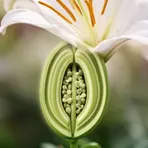
Surface Forms
Morphology
apocarpous = apocarp (semi-transparent) = apo + carp + ous
The suffix '-ous' forms an adjective from 'apocarp', but the botanical context requires specialized knowledge.
Etymology
The word apocarpous comes from the Greek parts apo- meaning 'away' and karpos meaning 'fruit'. So an apocarpous flower has its fruit parts each 'away' from the others — the carpels are separate instead of joined, which is why the word describes flowers like buttercups and roses.

