
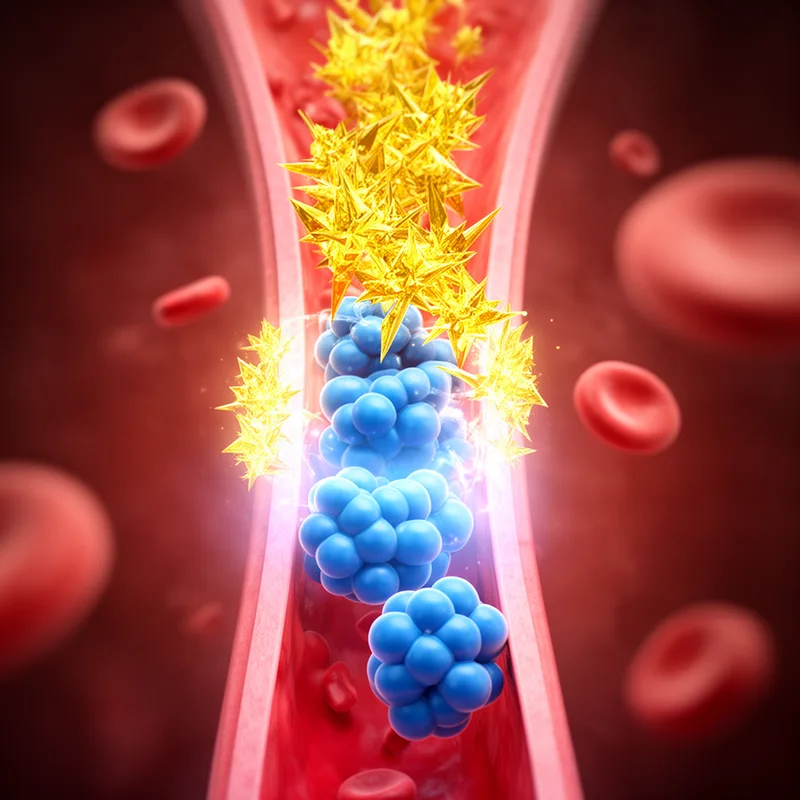
antitrypsin
 1
8.4

- noun
- /ˌæntiˈtrɪpsɪn/
- Specialized
- In view of the lack of evidence and the high cost of treating, the treatment of alpha-1 antitrypsin
- Alpha-1 antitrypsin
- antitrypsin deficiency
Examples
-
Age - COPD is rare under the age of 35 years, except in people with alpha-1 antitrypsin deficiency.
Academic text (2014) -
Clark and his team focused their study on the production of alpha-1-antitrypsin protein, which is used for the treatment of cystic fibrosis.
Blog text (29) -
I am not a geneticist (studied it in high school) and am not a scientist, but the results from one company alerted me to my Alpha-1 Antitrypsin Deficiency, which explained to me why I experienced symptoms I have always been told were allergies.
Blog text (31) -
Genetics: Not all smokers are at risk of COPD, and there appears to be a familial risk. (Alpha-1 antitrypsin deficiency is a well-studied but rare inherited risk factor.)
Academic text (2014) -
Alpha-1 antitrypsin plays a crucial role in protecting the lungs from damage caused by the enzyme trypsin.
-
A deficiency in antitrypsin can lead to serious health issues, including lung disease and liver problems.
-
The doctor explained that antitrypsin helps prevent the breakdown of proteins in the body.
Synonyms


 1
7.7
A substance that stops enzymes in the body that break down proteins
A substance that stops enzymes that help digest protein

A substance that stops or slows enzymes so they do not work
Surface Forms
Morphology
Etymology
The word antitrypsin comes from anti- 'against', as in antibiotic, and trypsin, an enzyme that 'breaks down' proteins. So antitrypsin is a substance, often a protein in the blood, that protects tissues by working 'against' trypsin.