
trypsin
 1
8.2
1
8.2

- noun
- /ˈtrɪpsɪn/
- Specialized
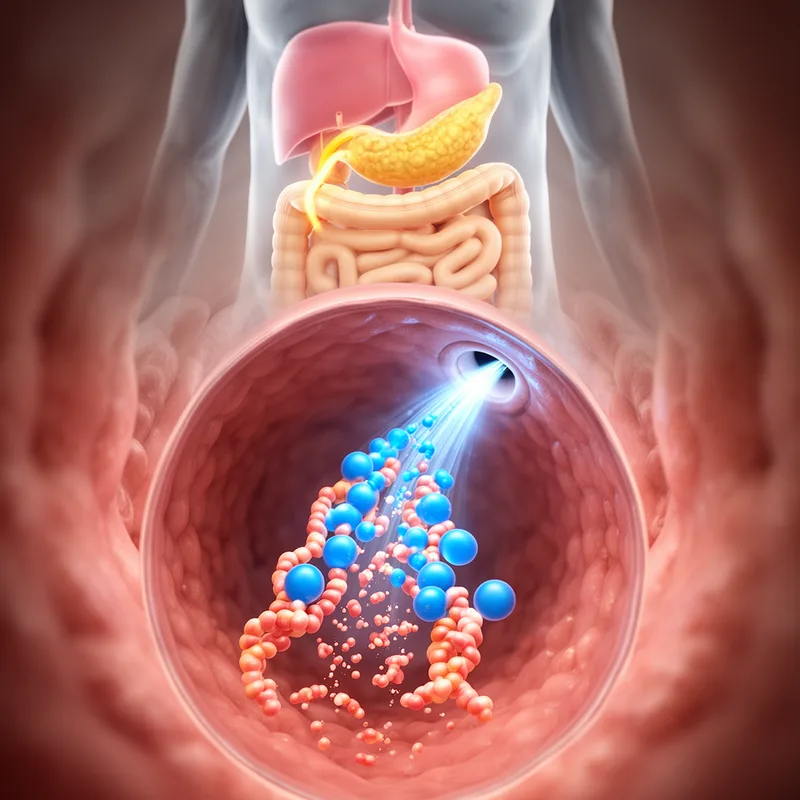
- The pancreas produces trypsin, which is essential for proper protein digestion.
- trypsin inhibitor
Loading YouTube…
Watch on YouTubeNow remember, we're told that our peptide, this mystery protein, it actually comes as a result of a trypsin digest.
- Now remember, we're told that our peptide, this mystery protein, it actually comes as a result of a trypsin digest.
Examples
-
The proteins are then digested to peptides with trypsin or other proteolytic enzymes and analyzed using standard proteomics.
Academic text (2016) -
The neurons were dissociated with collagenase type IV (Sigma) and 0.1% trypsin (Worthington) and centrifuged through a 15% BSA density.
Academic text (2016) -
After 48 hours of incubation, the medium of each group was removed and the cells were detached using Trypsin-EDTA.
Academic text (2018) -
At the third passage, UCMSCs were digested by 0.25% trypsin.
Academic text (2018) -
Cultures were transferred by means of trypsin (0.25%) and 5 mmol/l edetic acid (EDTA).
Academic text (1992) -
At 80% confluence, cell harvesting was carried out using 0.25% (w/v) trypsin-EDTA (Gibco), followed by centrifugation at 300g for 5 minutes.
Academic text (2018) -
During digestion, trypsin helps break down proteins into smaller peptides.
-
In the laboratory, scientists use trypsin to analyze protein structures effectively.
Surface Forms
Morphology
trypsin = tryps + in
The combining form 'tryps-' is not a standalone English word and the protein suffix '-in' is a technical biomedical marker, so an average B1 learner cannot derive the meaning from the parts.
Etymology
The word trypsin comes from the Greek root tryp- meaning 'to rub' and the common protein ending -in, so it was named for how the enzyme rubs or wears proteins apart during digestion.