

antihemorrhagic factor
- noun
- /ˌæntiˌhɛmərˈhædʒɪk ˈfæktər/
- Archaic
- Vitamin K, also known as antihemorrhagic factor, helps prevent excessive bleeding.
Examples
-
Certain leafy vegetables are rich in antihemorrhagic factor, making them important for patients with bleeding disorders.
-
The doctor prescribed a supplement containing antihemorrhagic factor to help improve his blood clotting ability.
-
A deficiency in antihemorrhagic factor can lead to serious problems with bleeding and wound healing.
-
The antihemorrhagic factor is vital for blood clotting.
-
A deficiency in antihemorrhagic factor can lead to serious problems with bleeding and wound healing.
-
Certain leafy vegetables are rich in antihemorrhagic factor, making them important for patients with bleeding disorders.
-
The doctor prescribed a supplement containing antihemorrhagic factor to help improve his blood clotting ability.
Synonyms

 3
2.7
3
2.7

A vitamin that helps blood to stop bleeding and keeps bones healthy
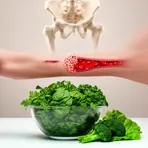
A vitamin found in green leafy vegetables that helps blood clot and keeps bones strong

A vitamin that dissolves in fat and helps blood to clot
Antonyms

Surface Forms
Morphology
antihemorrhagic + factor
The phrase is compositionally transparent: anti- (against) + hemorrhagic (relating to bleeding) + factor (an agent) yields an agent that works against bleeding. While the term is technical (specificly referring to vitamin K), its basic meaning — a substance that prevents or counters hemorrhage — is directly derivable from the constituents.
Etymology
Antihemorrhagic factor comes from parts meaning anti- 'against', hemorrhagic 'bleeding', and factor 'thing'. Think of it as a little helper that 'stops bleeding', so it is the name for vitamin K, which helps blood to clot.