
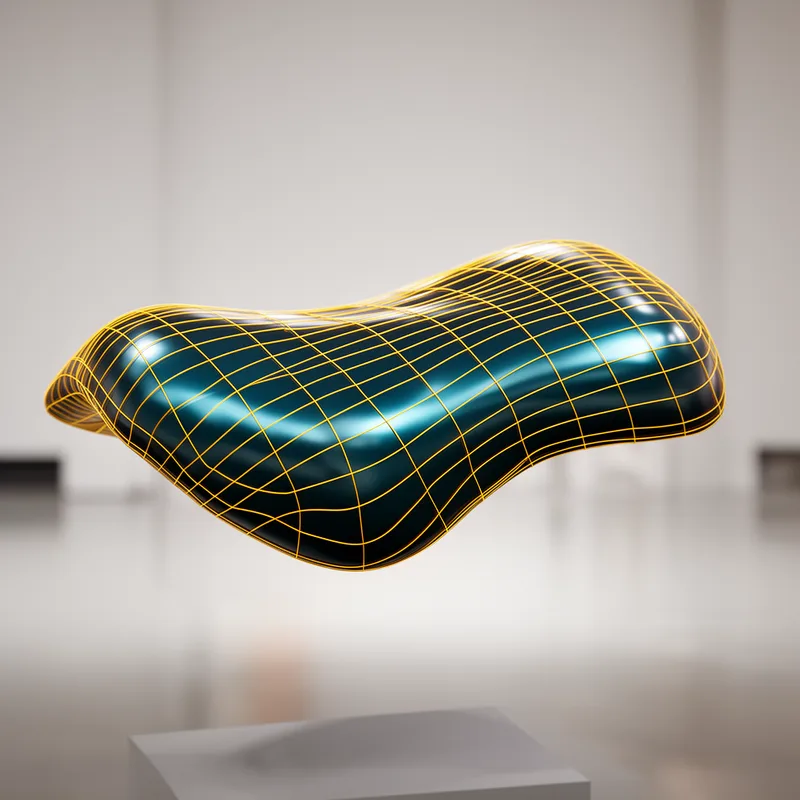
anticlastic


 1
9.9
- adjective
- /ˌæntɪˈklæstɪk/
- Specialized
- The anticlastic shape of the saddle provides comfort for the rider.
Examples
-
The sculptor created an anticlastic form that twisted elegantly in space.
-
Engineers studied the anticlastic properties of the new bridge's support structure.
-
The stadium's anticlastic roof allows for both strength and a unique visual effect.
-
An anticlastic surface can be found in many natural formations.
-
The artist used an anticlastic curve to create a unique shape in the sculpture.
-
In architecture, an anticlastic surface can enhance both beauty and structural integrity.
-
The design features an anticlastic form that gives the building its distinctive silhouette.
Surface Forms
Morphology
Etymology
Anticlastic starts with anti- meaning 'opposite' and ends with -clastic, a part used in technical words about shape; a helpful way to remember it is to picture a saddle that curves up one way and down the other, so anticlastic means 'having opposite curves'.