
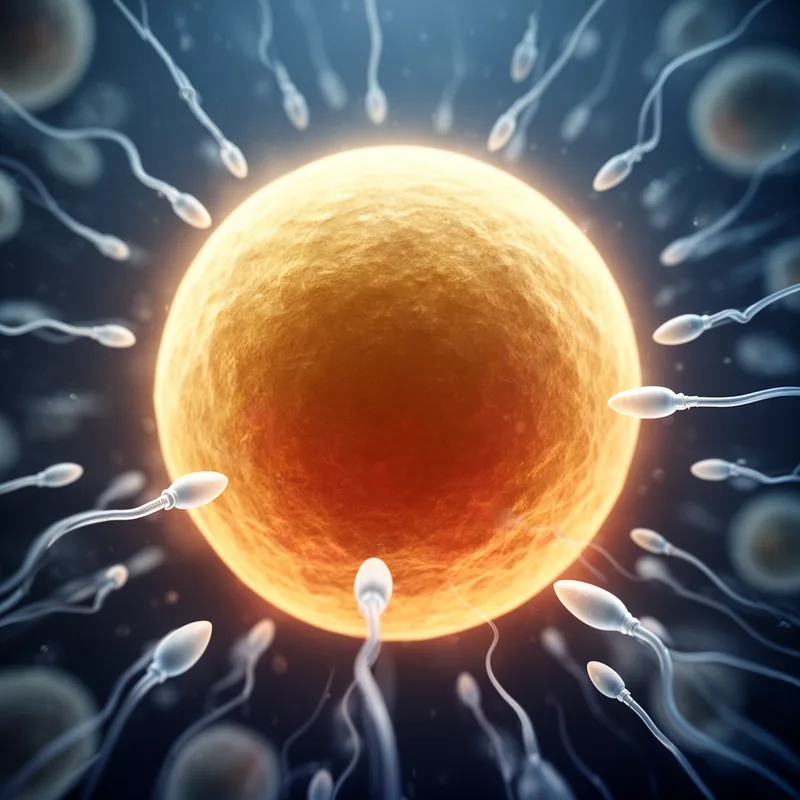
anisogamous
- adjective
- /ˌænɪˈsɒɡəməs/
- Specialized
- Many organisms, such as certain types of algae, are anisogamous, featuring gametes that are unequal in size.
Examples
-
Some species of algae are anisogamous, producing sperm and eggs that differ in size.
-
In anisogamous organisms, male and female gametes are distinctly different from one another.
-
An anisogamous reproductive strategy can increase the likelihood of successful fertilization.
-
The species is anisogamous.
-
Many plants exhibit anisogamous reproduction.
-
In anisogamous reproduction, the sperm is typically smaller than the egg, which is a common characteristic of many species.
-
The anisogamous nature of these plants means their male and female gametes are not identical.
Synonyms
Sexual reproduction in which sex cells are different sizes or shapes, like large eggs and small sperm
A sex that produces smaller, different sex cells like sperm
Surface Forms
Morphology
anisogamous = anisogamy (semi-transparent) = aniso + gamy + ous
Formed by adding adjectival -ous to the technical noun 'anisogamy'; the formation is regular but the Greek combining elements are specialized and may be unfamiliar to general learners.
Etymology
Anisogamous comes from Greek parts an- 'not', iso- 'equal', and -gamous 'marriage' or 'union', the same ending you see in monogamous. So it literally means 'not equal union', which helps you remember it describes reproductive cells called gametes that are different in size or form.

