
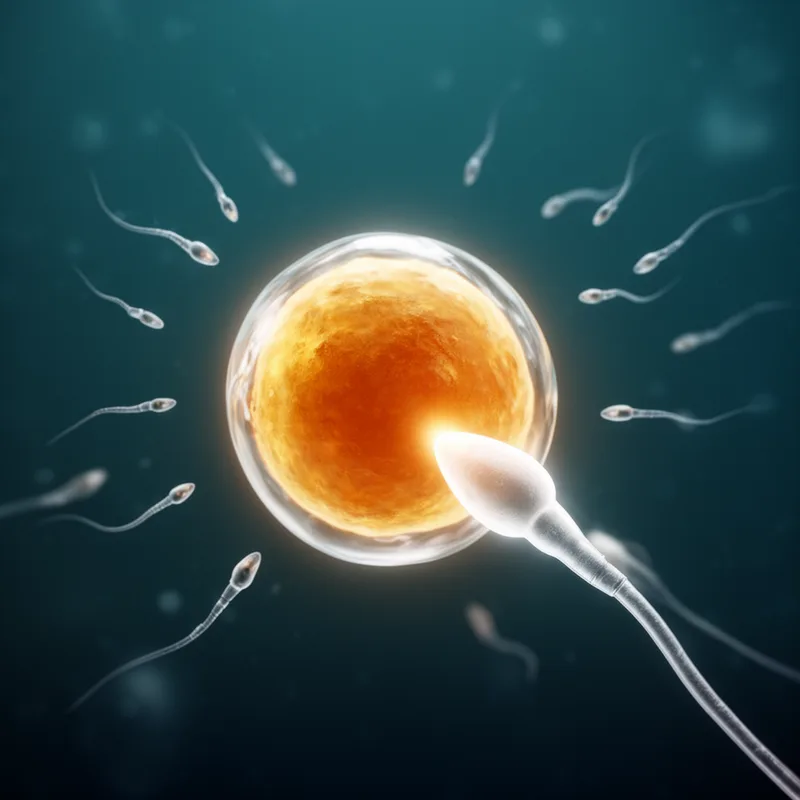
anisogamy


 1
9.9
- noun
- /ˌænɪˈsɒɡəmi/
- Specialized
- In certain algae, anisogamy leads to the production of male and female gametes that differ greatly in size.
Examples
-
The evolution of anisogamy marked a significant distinction from isogamous reproductive systems.
-
Researchers study anisogamy to understand how sexual roles have arisen in various species.
-
The concept of anisogamy is crucial in understanding sexual reproduction.
-
Many species exhibit anisogamy as a reproductive strategy.
-
In certain algae, anisogamy leads to the production of male and female gametes that differ greatly in size.
-
Researchers study anisogamy to understand how sexual roles have arisen in various species.
-
Many species exhibit anisogamy as a reproductive strategy.
Surface Forms
Morphology
anisogamy = aniso + gamy
The elements are technical combining forms ('aniso-' and '-gamy') unfamiliar to average learners, so knowing common words will not let them reliably infer the biological meaning.
Etymology
Anisogamy comes from Greek parts aniso- meaning 'unequal' and -gamy meaning 'marriage' or 'union', the same -gamy you see in monogamy and polygamy. So anisogamy is an 'unequal marriage' of sex cells, which explains why it means reproduction by two sex cells that differ in size or shape.