
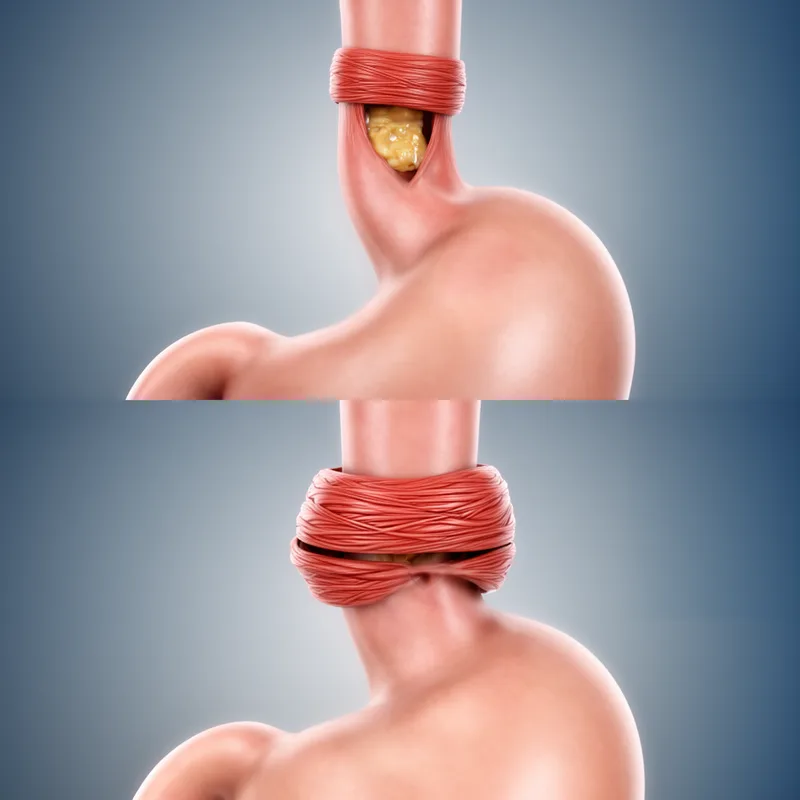
anatomical sphincter
- noun
- /ˌænəˈtɑːmɪkəl ˈsfɪŋktər/
- Specialized
- The lower esophageal anatomical sphincter prevents stomach acid from entering the esophagus.
Examples
-
The doctor explained how the pupil's anatomical sphincter controls the amount of light entering the eye.
-
A malfunctioning anatomical sphincter can lead to incontinence or digestive problems.
-
The anatomical sphincter helps control the flow of urine.
-
She studied the anatomical sphincters in her biology class.
-
The lower esophageal anatomical sphincter prevents stomach acid from entering the esophagus.
-
A malfunctioning anatomical sphincter can lead to incontinence or digestive problems.
-
The anatomical sphincter helps control the flow of urine.
Synonyms
 17
7.5
17
7.5

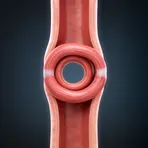
A ring of muscle that closes an opening in the body


 1
4.2
1
4.2
A ring of muscle that closes an opening in the body
How Anatomical
- Specialized

- Specialized
- Specialized
Surface Forms
Morphology
The meaning is directly compositional: 'anatomical' specifies that the referent is part of body structure and 'sphincter' denotes a muscle that controls closure, so the combined phrase simply refers to a bodily sphincter. This literal adjective + noun pattern is common cross-linguistically and would be clear to a B1 learner who knows both constituents.
Etymology
Anatomical sphincter names a ring of muscle in the body. Think of sphincter as a tight gate around an opening that squeezes to 'close' or 'control' the flow, so the phrase means a muscle that stops or controls a passage.