
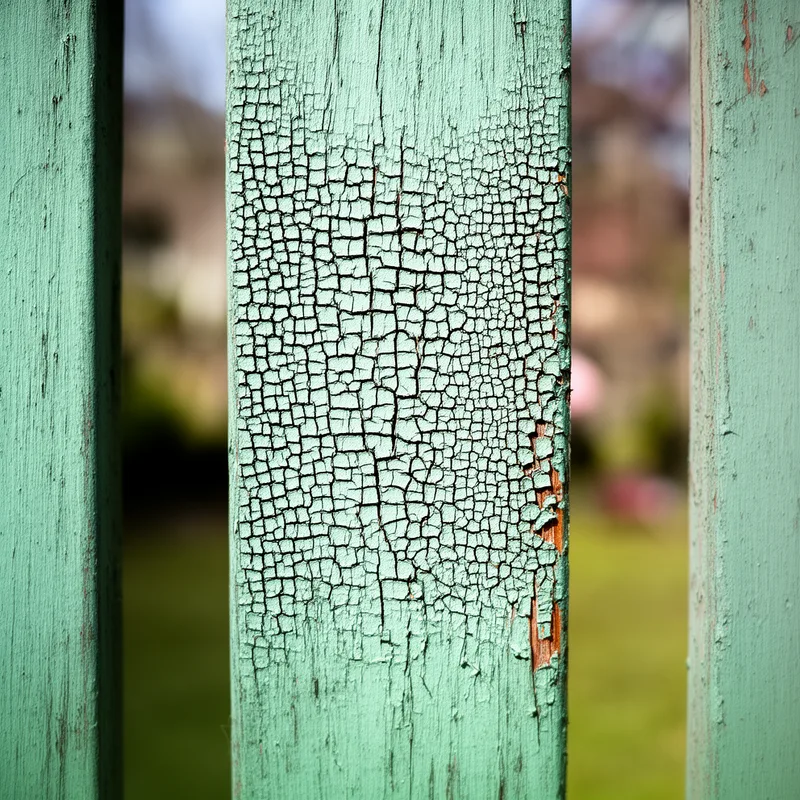
alligatoring
- noun
- /ˌælɪˈɡeɪtərɪŋ/
- Specialized
 :
craquelado
:
craquelado
- Restorers had to remove the old varnish because of severe alligatoring on the surface.
Examples
-
The wooden fence showed signs of alligatoring after years of harsh weather.
-
If you apply paint too thickly, alligatoring may develop as it dries.
-
The old paint showed signs of alligatoring.
-
We noticed alligatoring on the wooden fence.
-
The artist admired the alligatoring on the old canvas, which enhanced its vintage appearance.
-
The home renovation revealed significant alligatoring on the window frames due to years of sun exposure.
-
After years of neglect, the exterior paint showed severe alligatoring, necessitating a complete repaint.
Synonyms


 1
9.9
1
9.9
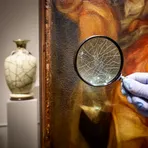
A pattern of fine cracks on a painting or vase surface caused by age
 1
8.4
1
8.4
A network of very small cracks on the surface of pottery, glass, or painted objects
How Cracked

Surface Forms
Morphology
Etymology
Alligatoring comes from the animal alligator because the cracked paint or varnish looks like an alligator's skin, and that's why alligatoring means a scaly 'pattern of cracks' on a surface caused by age or weather.