

to alligator
- verb
- /ˈælɪˌɡeɪtər/
- Specialized
- Improper surface preparation can cause the finish to alligator within just a few months.
Examples
-
Old varnish on the windowsills began to alligator after years of sun exposure.
-
If you apply the paint too thickly, it may alligator as it dries.
-
The paint began to alligator after a few years.
-
Don't let the varnish alligator on your furniture!
-
The old paint on the door had alligatored, creating a texture reminiscent of reptile skin.
-
After years of exposure to the sun, the varnish on the deck began to alligator, giving it a rough appearance.
-
Her art project featured a canvas that alligatored beautifully, adding an interesting layer to her painting.
Compounds

- Specialized
 1
4.8
1
4.8

A small metal clip with a spring and teeth that connects wires temporarily
 1
4.2
1
4.2
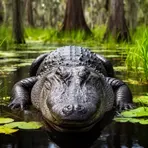
A large dark reptile with a wide snout that lives in southeastern United States swamps

 1
7.9
1
7.9
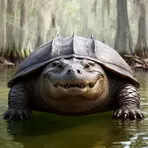
A large freshwater turtle from the southeastern United States with three shell ridges and a powerful jaw

- Specialized
A small alligator that lives in China's Yangtze valley and has toes without webbing
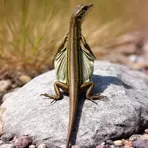
A slender lizard with short legs and a fold of skin on each side that lets the body expand
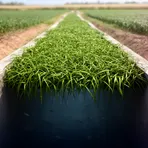
A fast-growing water plant with long grass-like leaves that forms thick floating mats

A large freshwater turtle with three ridges on its shell found in the southeastern United States


An aquatic plant from South America with long grasslike leaves that forms thick floating mats and clogs waterways

- Specialized
A large alligator that lives in the southeastern United States
- Specialized
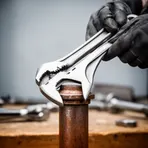
A tool with a V-shaped, toothed jaw for gripping and turning pipes or bolts

- Specialized
A small endangered alligator from the Yangtze valley in China with toes that are not webbed
How Cracked

Surface Forms
Etymology
Alligator as a verb is named after the animal's skin; when paint or varnish 'alligators' it cracks into a rough, blocky pattern like an alligator's hide.