
alkylating agent


 1
6.9
1
6.9
- noun
- /ˌæl.kɪˈleɪ.tɪŋ ˈeɪ.dʒənt/
- Specialized
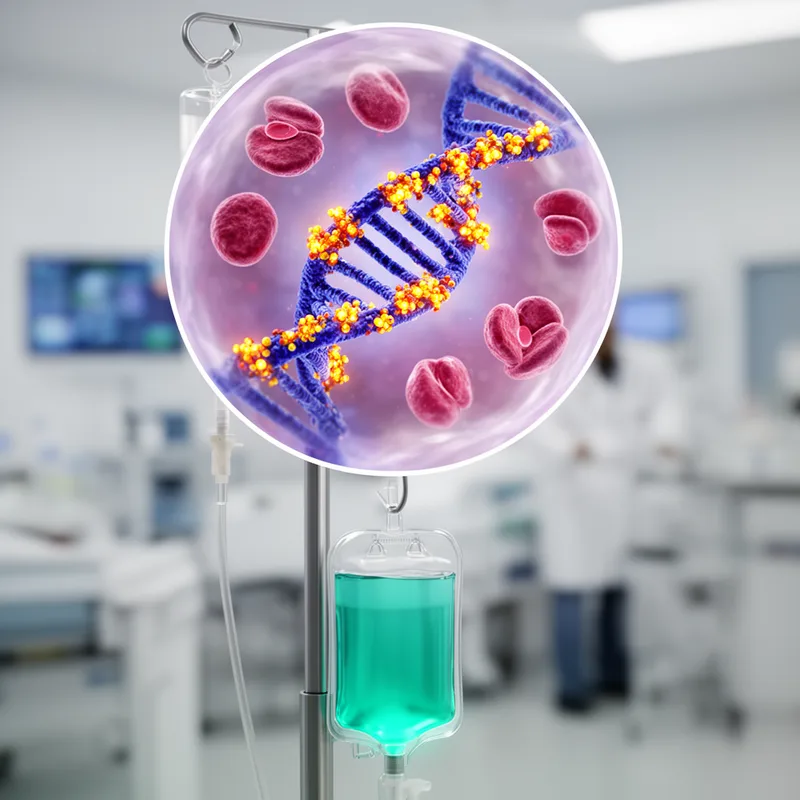
- Chlorambucil acts as an alkylating agent, targeting cancerous cells by damaging their DNA.
Examples
-
Doctors often prescribe alkylating agents to patients undergoing chemotherapy for various types of cancer.
-
Cyclophosphamide is an effective alkylating agent that is commonly used in cancer treatment.
-
Ethyl methane sulfonate is an alkylating agent and a potent mutagen.
Synonyms
 11
3.2
11
3.2
A medicine that treats cancer by killing or stopping cancer cells

A drug that stops or kills cancer cells, usually given in chemotherapy

A drug that stops or slows the growth of cancer
Surface Forms
Morphology
The phrase is transparently compositional: 'alkylating' is the verbal form of 'alkylate' (to introduce an alkyl group) and 'agent' denotes a substance that performs an action, so a learner who knows both constituents can infer it is a substance that alkylates molecules. The detailed biomedical consequences (e.g., effects on DNA or use in cancer treatment) are domain-specific but do not prevent the core meaning from being predictable from the parts.
Etymology
The term alkylating agent comes from what the drug does: it adds a small chemical part called an alkyl group onto DNA. By putting these parts on DNA, the agent stops cells from growing, so the name means a drug that attaches small parts to DNA to help 'treat cancer'.