

antineoplastic drug
- noun
- /ˌæntiˌniːoʊˈplæstɪk drʌg/
- Specialized
- During her treatment, she received several antineoplastic drugs to help shrink the tumor.
Examples
-
The side effects of antineoplastic drugs can vary greatly depending on the type of cancer being treated.
-
An increasing incidence has been noted in accordance with the widespread use of antibiotics, steroids, antineoplastic drugs, and radiation therapy.
Academic text (1995) -
Doctors often prescribe antineoplastic drugs to patients undergoing chemotherapy to target cancer cells.
Synonyms

 11
3.2
11
3.2

A medicine that treats cancer by killing or stopping cancer cells


 1
4.9
1
4.9
A medicine that kills cells and helps treat cancer during chemotherapy

A drug that stops or slows the growth of cancer

A drug used to treat cancer by killing cancer cells
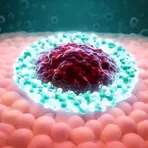
Stopping or slowing the growth of tumors, especially cancerous ones

A medicine that helps prevent or treat cancer
How Effective
- Specialized

- Specialized
- Specialized
11
3.2
- NSFW
∞
1.9
Surface Forms
Morphology
The meaning is directly compositional: 'antineoplastic' (preventing or destroying neoplastic/tumour cells) combined with 'drug' straightforwardly yields 'a drug that fights or controls tumors/cancer'. Although 'antineoplastic' is technical in register, the adjective + noun pattern is transparent and predictable for a learner who knows both constituents.
Etymology
Antineoplastic drug comes from parts: anti- meaning 'against' and -neoplastic meaning 'new growth' or 'tumour'. So it paints the picture of a medicine that fights a growing lump in the body, which is why it means a drug used to destroy or control cancer cells.