

alecost
- noun
- /ˈælɪˌkɔst/
- Archaic
- She sprinkled chopped alecost leaves into the salad for a subtle, aromatic flavor.
Examples
-
Historically, brewers added alecost to ale for its pleasant, herbal taste.
-
The alecost in the garden thrives in full sun and well-drained soil.
-
I added fresh alecost to my salad.
-
The alecost plant grows well in sunny areas.
-
She sprinkled chopped alecost leaves into the salad for a subtle, aromatic flavor.
-
Historically, brewers added alecost to ale for its pleasant, herbal taste.
-
I added fresh alecost to my salad.
Synonyms
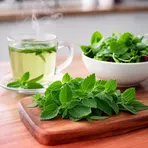
A leafy herb with a strong smell used in tea and to flavor food
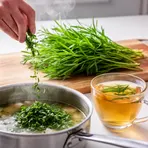
A plant with a strong smell whose leaves add flavor to food or tea

A plant with a minty smell and yellow button flowers used in salads and tea

A plant from Europe and Asia with small round yellow flowers used to flavor food, make tea, or scent potpourri

A small herb with round yellow flowers and a strong smell that people use to flavor food or tea

A small herb with a mint smell used to add flavor to food or tea
Surface Forms
Etymology
Alecost comes from the herb's old use in ale ('beer'); brewers once added it to beer for a pleasant, herbal taste. That's why the name reminds you it is a fragrant, edible plant used to flavor food, drinks, or potpourri.

