

Chrysanthemum balsamita
- noun
- /ˌkraɪsænˈθɛməm bælˈsæmɪtə/
- Specialized
- Gardeners often grow Chrysanthemum balsamita for its aromatic leaves and attractive yellow blooms.
Examples
-
Historically, Chrysanthemum balsamita was used in salads and as a remedy in folk medicine.
-
Some herbal teas are flavored with Chrysanthemum balsamita, known for its slightly minty aroma.
-
I added Chrysanthemum balsamita to my salad for extra flavor.
-
Have you tried Chrysanthemum balsamita tea?
-
Gardeners often grow Chrysanthemum balsamita for its aromatic leaves and attractive yellow blooms.
-
Historically, Chrysanthemum balsamita was used in salads and as a remedy in folk medicine.
-
Some herbal teas are flavored with Chrysanthemum balsamita, known for its slightly minty aroma.
Synonyms

A plant from Europe and Asia with small round yellow flowers used to flavor food, make tea, or scent potpourri

A leafy herb whose leaves people use to flavor food, with round yellow flowers and a strong smell

A leafy herb with a strong smell used in tea and to flavor food

A small herb with a mint smell used to add flavor to food or tea

A small herb with round yellow flowers and a strong smell that people use to flavor food or tea
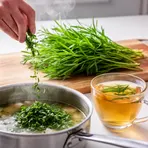
A plant with a strong smell whose leaves add flavor to food or tea
Surface Forms
Morphology
Chrysanthemum + balsamita
The phrase is a botanical binomial starting with the familiar genus name 'Chrysanthemum', so a learner who knows the parts would infer it denotes a type/species of chrysanthemum. However, the species epithet 'balsamita' is not a transparent English morpheme and does not convey the specific sensory or usage details in the definition, so the full meaning cannot be predicted from the constituents.
Etymology
Chrysanthemum balsamita comes from older words: chrysanthemum means 'gold' and 'flower', and balsamita points to its 'balsam' or sweet smell. So the name paints the picture of a golden, balsam-scented flower, which fits why people used it in salads, teas and potpourri.

