
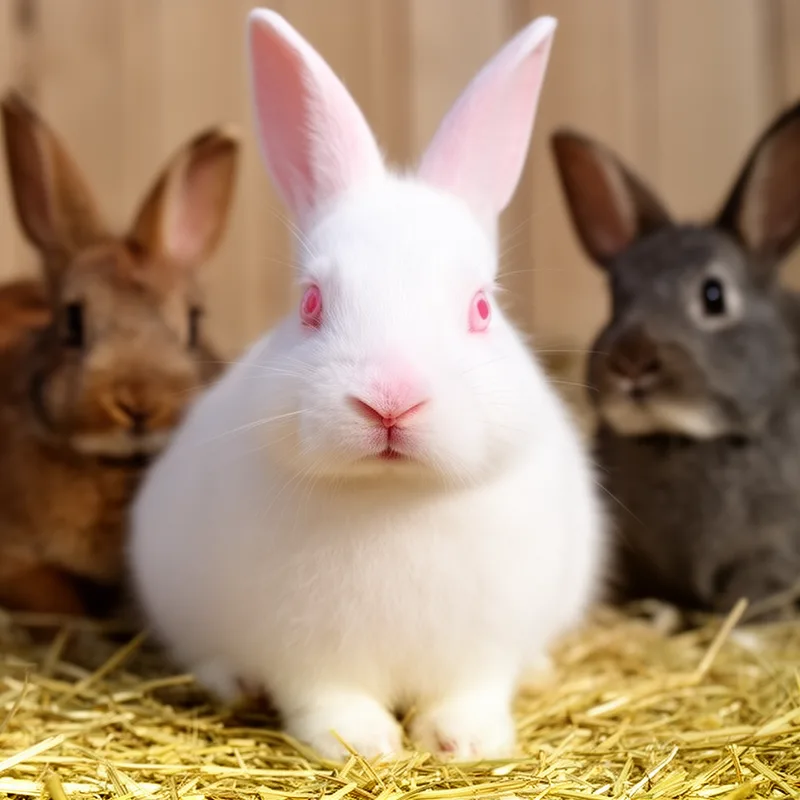
albinic
- adjective
- /ælˈbɪnɪk/
- Specialized
- The albinic rabbit stood out among its darker siblings in the enclosure.
Examples
-
Physicians must be aware of potential vision issues in albinic patients.
-
Researchers studied the albinic traits in several species of amphibians.
-
The albinic rabbit stood out against the green grass.
-
Some albinic animals have difficulty seeing in bright light.
-
The albinic fox was easily recognizable with its white fur against the dark forest.
-
Due to their albinic condition, some individuals may experience sun sensitivity.
-
The conservation team focused on albinic species to ensure their survival in the wild.
Synonyms
 11
6.9
11
6.9

Having very little color in skin, hair, and eyes

Having very pale skin, hair, or eyes because the body does not make colour

Having very pale skin and hair and light or pink eyes because the body makes little colour

Having very pale skin, light hair and often pink eyes
Surface Forms
Morphology
albinic = albino (transparent) = albin + ic
The adjective is formed by adding the productive suffix '-ic' to the recognizable noun 'albino', so the meaning 'relating to albinism' is directly derived.
Etymology
Albinic comes from the Latin albus, meaning 'white', and shares the same root as albino. So, albinic describes people or animals with very little color, making them pale or white.