
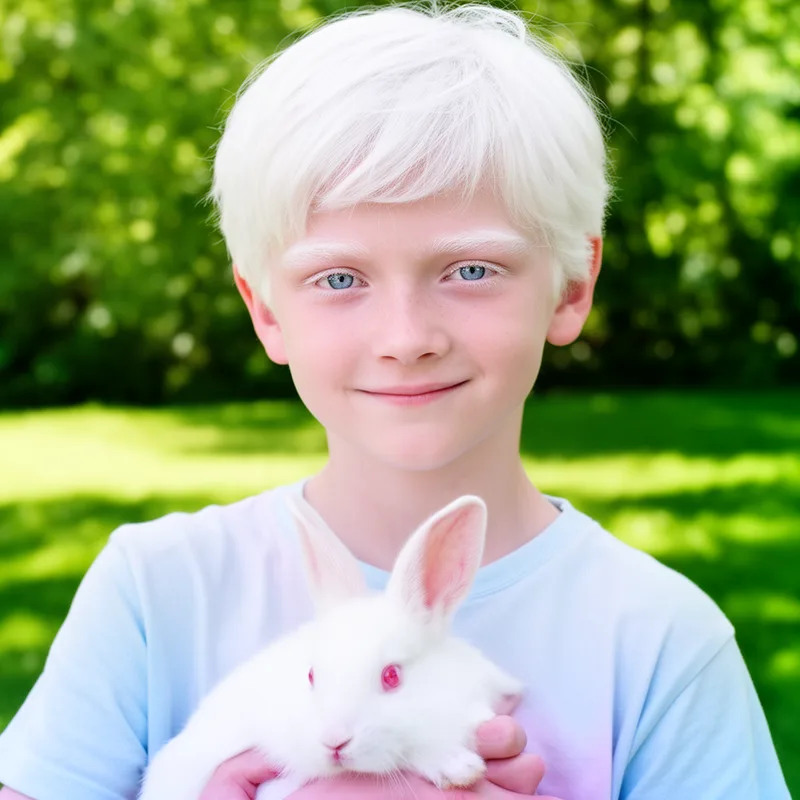
albinal
- adjective
- Specialized
- Some animals display an albinal appearance due to a genetic mutation affecting pigmentation.
Examples
-
Rare albinal children require special eye care because of their sensitivity to light.
-
The albinal features of the animal were striking.
-
The study focused on the albinal traits seen in certain plant species.
-
Many albinal plants thrive in sunny environments.
-
Rare albinal children require special eye care because of their sensitivity to light.
-
Some animals display an albinal appearance due to a genetic mutation affecting pigmentation.
-
The study focused on the albinal traits seen in certain plant species.
Synonyms
 11
6.9
11
6.9

Having very little color in skin, hair, and eyes

Having very pale skin, hair, or eyes because the body makes little natural colour

Having very pale skin and hair and light or pink eyes because the body makes little colour
Having very pale skin, light hair and often pink eyes
Surface Forms
Morphology
Etymology
Albinal comes from the root alb, from Latin albus, which means 'white', and it shares this root with the common word albino. So, albinal describes the pale look of people, animals, or plants that have albinism.