
age-related macular degeneration


 1
5.1
1
5.1
- noun
- /ˈeɪdʒ rɪˈleɪtɪd ˈmækjʊlər dɪˌɡɛnəˈreɪʃən/
- Specialized
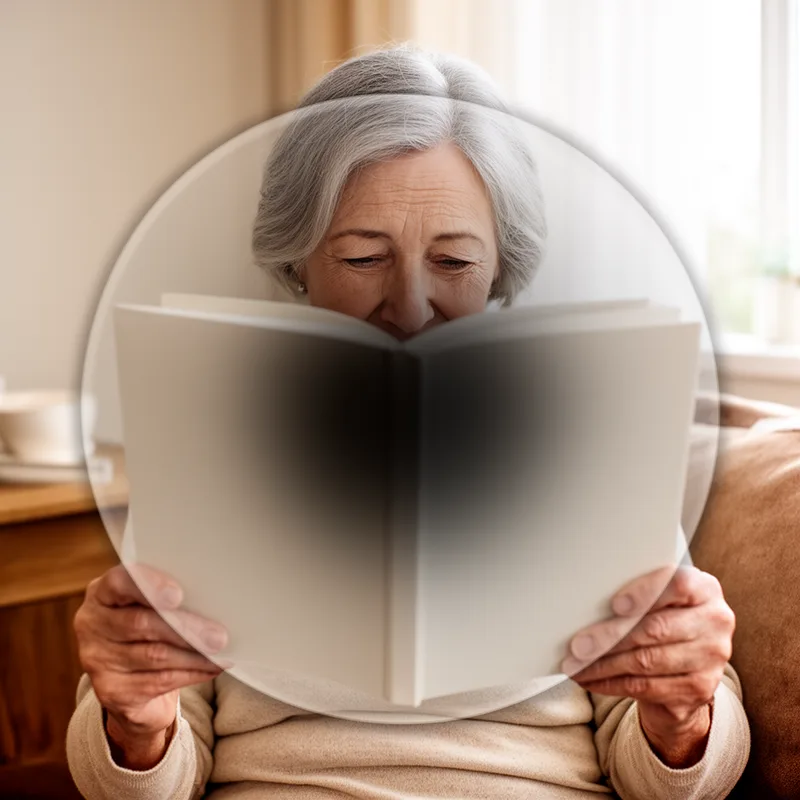
- Patients who have age-related macular degeneration lose their central vision.
- age-related macular degeneration (AMD)
- age-related macular degeneration (ARMD)
- patients suffering from age-related macular degeneration
Examples
-
Age-related macular degeneration (ARMD) is one of the leading causes of irreversible visual impairment in Western societies.
Academic text (2004) -
Two other teams are working on different approaches to helping patients suffering from age-related macular degeneration and retinitis pigmentosa.
Academic text (2003) -
We talked about your vision and the diagnosis of age-related macular degeneration during your last visit.
Academic text (2007) -
Because most older adults have age-related macular degeneration, they usually require eccentric viewing training.
Academic text (2000) -
Carotenoids have been linked with the prevention of eye disorders, such as age-related macular degeneration and cataracts.
Academic text (2018) -
Age-related macular degeneration (ARMD) is a leading cause of blindness in this country.
Academic text (2008) -
Among Americans who are 55 or older, age-related macular degeneration (AMD) is reported to be a leading cause of blindness and vision impairment.
Academic text (2003) -
Many older adults experience difficulty reading due to age-related macular degeneration.
-
Doctors recommend regular eye exams to detect age-related macular degeneration early.
-
Age-related macular degeneration is a leading cause of vision impairment in seniors.
Synonyms
 14
4.8
14
4.8
An eye disease that slowly damages the center of the eye and causes loss of central vision in older people
 3
6.3
3
6.3
Loss of central vision when the part of the eye that sees fine detail gets weak
How Severe
- Specialized
1
5.1

- Specialized
3
6.3
Surface Forms
Morphology
age-related + macular + degeneration
The phrase is a straightforward composition of 'age-related' (caused by aging) + 'macular' (relating to the macula, the central retina) + 'degeneration' (deterioration), so a learner who knows those constituents can infer it means deterioration of the macula due to age. Though medical/technical, the meaning follows normal compositional patterns and is cross-linguistically transparent.
Etymology
Age-related macular degeneration literally means the degeneration of the macular part of the eye, the 'macula', as people get older, so it means losing 'central vision'.