

adenine
 3
6.2
3
6.2

- noun
- /ˈædəˌniːn/
- Specialized
- Genes are identified by the letters AGTC, representing the base chemical nucleotide pairings of Adenine, Guanine, Thymine, and Cytosine.
- adenine dinucleotide
- nicotinamide adenine
Examples
-
DNA consists of just four basic building blocks: adenine, guanine, cytosine, and thymine.
-
Cytosine, guanine, adenine, and thymine.
-
So this would be guanine adenine thymine on that sequence.
-
The high pressures of ice formation not only gave up amino acids, but also the purine adenine as well.
Blog text (6) -
"Notice the sequence is made up of four basic compounds: adenine, thymine, guanine, and cytosine."
Fiction book (1990) -
DNA is made of four organic bases adenine, guanine, cytosine, and thymine, or AGC and T.
-
The four nucleotide bases present in DNA are guanine (G), thymine (T), cytosine (C), and adenine (A).
-
Scientists have assigned them four letters: A is for adenine, T for thymine, G for guanine, and C for cytosine.
Synonyms
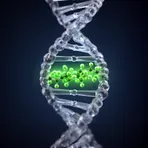 9
6.1
9
6.1
Chemical base in DNA and RNA called adenine
Compounds
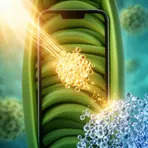
- Specialized
A chemical in cells that helps make other molecules, for example during photosynthesis
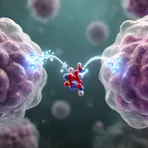
- Specialized
A small molecule in cells that helps chemical reactions by carrying electrons

- Specialized
A small molecule in cells that sends signals to control DNA repair and aging
Surface Forms
Morphology
adenine = aden (opaque) = aden + ine
Adenine is a technical chemical name formed from the combining form 'aden-' and the chemical suffix '-ine'; its biological meaning is not inferable by an average B1 learner from the parts.
Etymology
Adenine comes from the Greek root aden- meaning 'gland', because scientists first found it in gland tissue, and the ending -ine shows it is a chemical. So, think of adenine as a chemical named from where it was found, and today it is one of the four building blocks of DNA and RNA.