
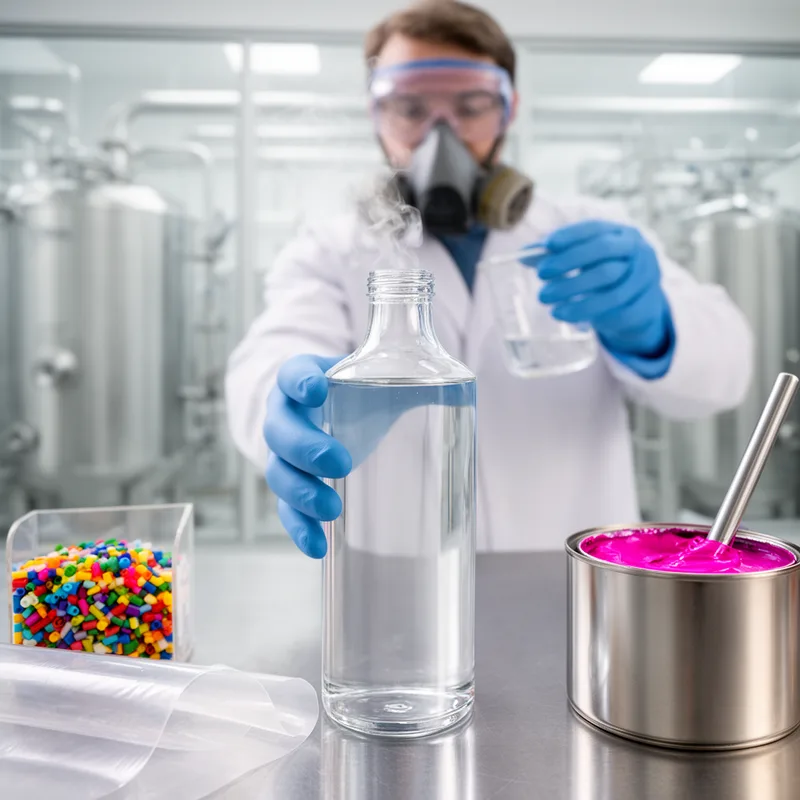
acrylic acid
- noun
- /əˈkrɪlɪk ˈæsɪd/
- Specialized
- Did you know that acrylic acid is often used in paints?
Examples
-
The demand for acrylic acid has increased due to its applications in superabsorbent polymers.
-
The chemist used acrylic acid to create new polymers.
-
Factories use acrylic acid to produce a wide range of acrylic plastics and paints.
-
Safety procedures are crucial when handling acrylic acid because it can cause irritation.
-
Acrylate resins are made by polymerizing acrylic acid with other monomers.
-
The laboratory technician measured 50 ml of acrylic acid for the experiment.
-
Safety precautions are essential when handling acrylic acid due to its pungent odor.
Synonyms
A sour, irritating liquid used to make acrylic plastics and resins
Surface Forms
Morphology
The noun is compositionally transparent: it denotes an acid that is related to or derived from acrylic (i.e. acrylic resins/compounds). While detailed chemical properties are technical, a B1 learner who knows 'acrylic' (relating to acrylic material/paint/resin) and 'acid' can infer the basic meaning; similar compound naming exists across many languages.
Etymology
Acrylic acid is a simple name: it is the 'acid' that makes 'acrylic' plastics and paints. Imagine a clear liquid with a strong smell that chemists use to turn into paints and plastics, and that picture explains why the term means the liquid used to make acrylic materials today.

