
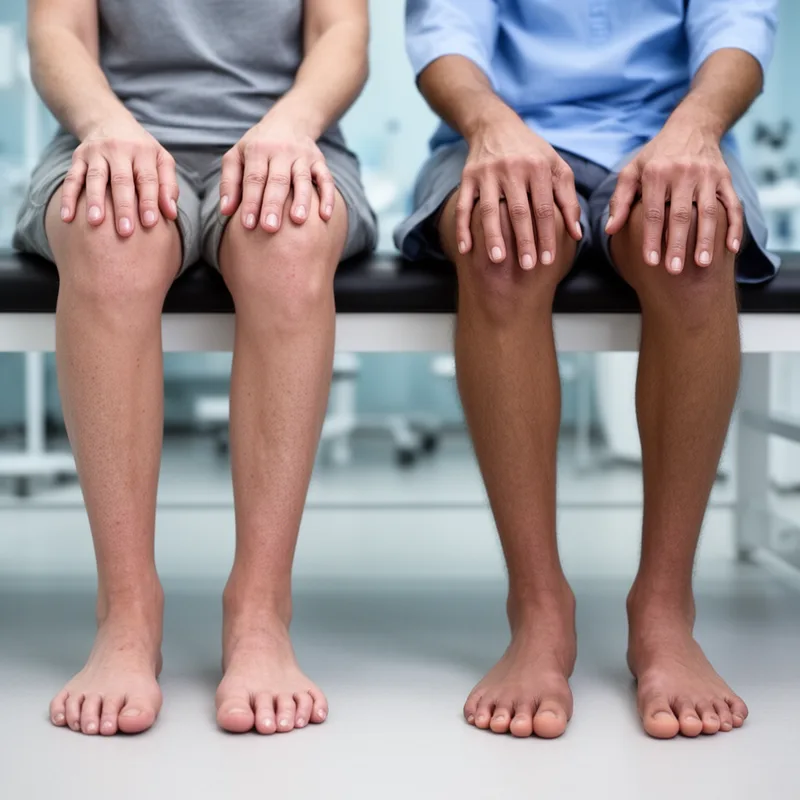
acromicria
- noun
- /ˌækrəˈmɪkriə/
- Specialized
- The patient was diagnosed with acromicria due to the noticeable underdevelopment of her fingers and toes.
Examples
-
Certain genetic disorders can result in acromicria, affecting both hands and feet.
-
Researchers are studying potential treatments for acromicria to improve limb function in affected individuals.
-
The patient was diagnosed with acromicria at the age of ten.
-
Many individuals with acromicria face challenges in daily activities.
-
The patient was diagnosed with acromicria due to the noticeable underdevelopment of her fingers and toes.
-
Researchers are studying potential treatments for acromicria to improve limb function in affected individuals.
-
Certain genetic disorders can result in acromicria, affecting both hands and feet.
Synonyms
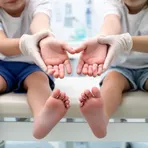
A condition where the fingers and toes are much smaller than normal and not fully formed
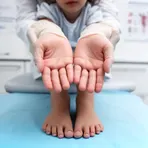
A condition where fingers and toes are unusually short from birth
Antonyms
- Specialized
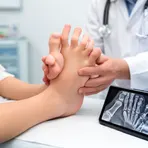
A finger or toe much larger than normal because its bone and soft parts grew too much
Surface Forms
Morphology
acromicria = acro + micro (semi-transparent) = acro + micria
Comprised of medical combining forms for 'extremity' and 'small' which yield the meaning 'small extremities' for learners familiar with such forms but may be opaque to general B1 learners.
Etymology
Acromicria comes from Greek parts acro- meaning 'end' or 'extremity' and micro- meaning 'small', the same 'micro' you see in microphone and microscope. So, acromicria is used for unusually small fingers or toes — the small 'ends' of the hands and feet.

