
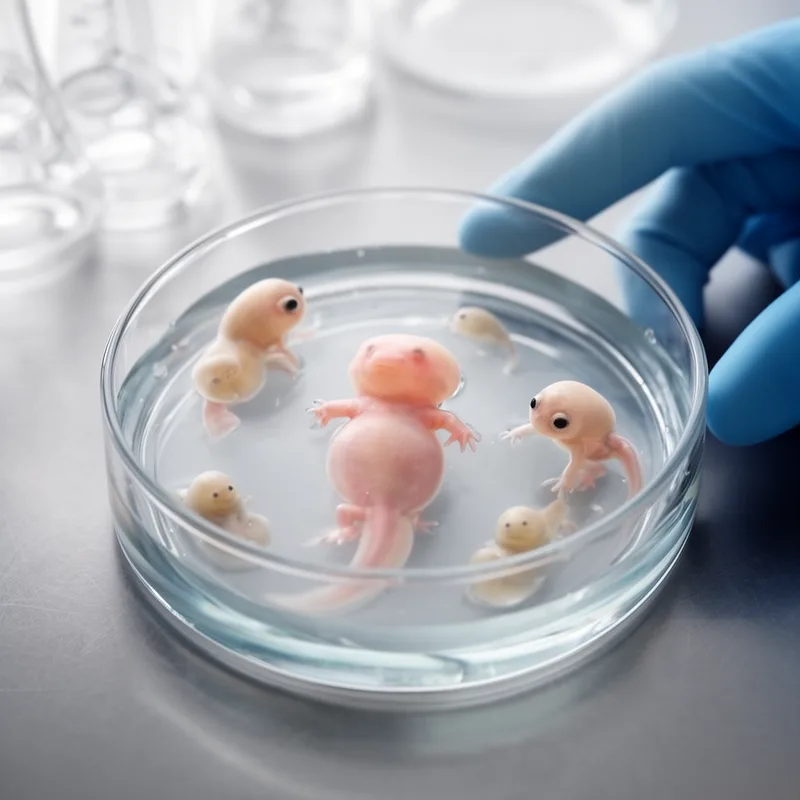
acephalism
- noun
- /əˈsɛfəlɪzəm/
- Specialized
- The rare condition known as acephalism results in the absence of a head at birth.
Examples
-
The medical report documented several cases of acephalism in malformed embryos.
-
Scientists studied instances of acephalism in certain amphibian populations.
-
The rare condition known as acephalism affects the development of the brain.
-
Many studies focus on acephalism in animal species.
-
The medical report documented several cases of acephalism in malformed embryos.
-
Scientists studied instances of acephalism in certain amphibian populations.
-
The rare condition known as acephalism results in the absence of a head at birth.
Synonyms

A condition present at birth when a baby or animal has no head

A lack of a head in an animal or human before birth
Surface Forms
Morphology
acephalism = acephaly (opaque) = a + cephal + ism
Although analyzable as a- (not) + cephal (head) + -ism, the combining form 'cephal' and the derived nouns are specialized medical forms not transparent to average learners.
Etymology
The word acephalism comes from Greek parts a- meaning 'without' and cephal- meaning 'head'. The same cephal- appears in cephalopod, the group with octopus and squid, so acephalism refers to a condition of being 'without a head'.

