
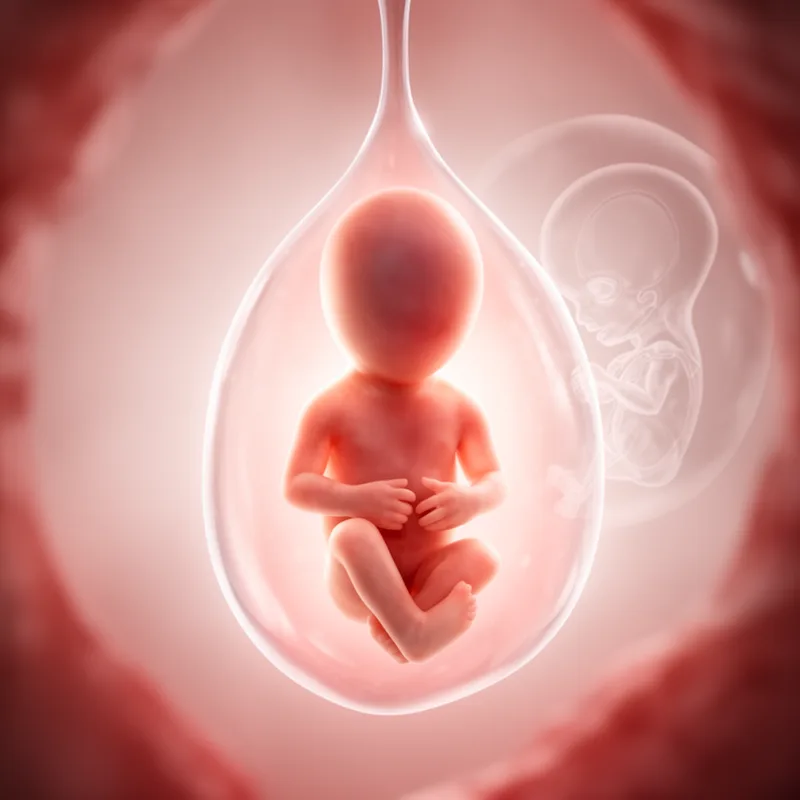
acephalia
- noun
- /ˌeɪsəˈfeɪliə/
- Specialized
- The rare condition known as acephalia results in the total absence of a head in the developing embryo.
Examples
-
The pathology report identified acephalia as the cause of the severe congenital deformity.
-
Some parasitic organisms display acephalia as part of their abnormal development.
-
The rare condition known as acephalia affects some species of fish.
-
Some researchers are studying acephalia in amphibians.
-
The pathology report identified acephalia as the cause of the severe congenital deformity.
-
The rare condition known as acephalia results in the total absence of a head in the developing embryo.
-
Some parasitic organisms display acephalia as part of their abnormal development.
Synonyms

A condition present at birth when a baby or animal has no head

A birth defect in which an animal or person has no head
Surface Forms
Morphology
acephalia = acephaly (semi-transparent) = a + cephal + ia
Formed from the privative 'a-' + medical combining form 'cephal-' (head) and the noun-forming suffix '-ia'; the Greek combining form and technical suffix make it less obvious to an average B1 learner.
Etymology
Acephalia comes from Greek parts a- meaning 'without' and kephale meaning 'head'. So it literally means 'no head', which is why the word is used for the complete absence of a head in a developing embryo or animal.

