
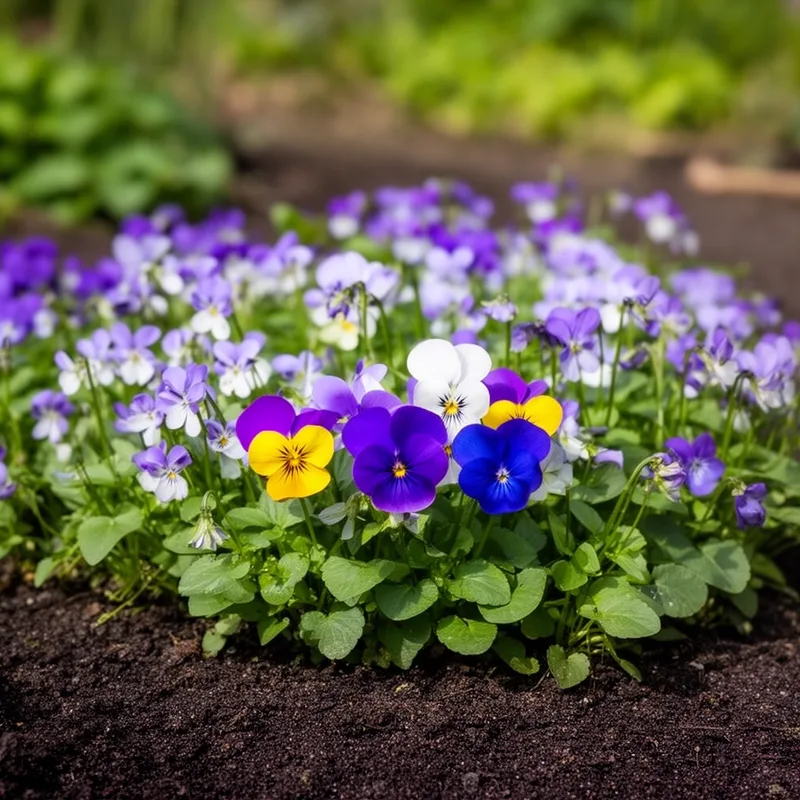
Viola
- noun
- /vaɪˈoʊlə/
- Specialized
- In spring, many gardeners plant viola flowers because they bloom beautifully.
Examples
-
They had been left this viola by a grandfather, and not one of them had ever heard it played.
Fiction book (1997) -
There's a pink cushion flower of Viola and alyssum.
-
The small, colorful blooms of the viola add charm to any flowerbed.
-
There are a number of new viola varieties that perform well here.
Compounds

- Specialized
A tall wild flower with white petals marked by purple streaks that grows in North American woods

- Specialized
A small wild violet from Europe and Asia with thin leafy stems and blue or lilac flowers
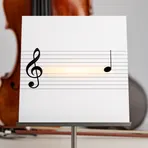
- Specialized
A sign on the five music lines that shows middle C on the third line, used for viola music

- Specialized
A small wild pansy with pale creamy or light purple flowers that grows in fields
- Specialized
A small wild violet with white flowers, purple lines, short stems, and a sweet smell

- Specialized
A small violet with purple or white sweet smelling flowers often grown in gardens

- Specialized
A violet with large pale blue or purple flowers like a pansy that grows in eastern North America

- Specialized
A small wild violet with soft hairy leaves and yellow flowers with purple veins

- Archaic
A low string instrument that you play with a bow, like a cello, used in Renaissance and Baroque music
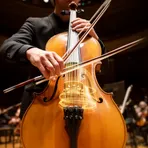

- Specialized
A small violet plant from the Pacific coast of North America with white petals tinged with yellow and deep purple
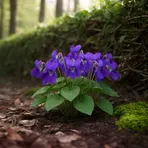
Small wild violet that grows in woods and hedges with heart-shaped leaves and purple flowers
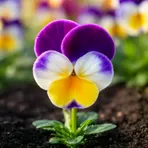

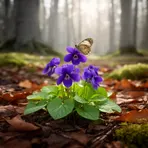

Surface Forms
Etymology
Viola comes from the Latin viola, which means 'violet', the small purple flower and the color. So the plant group called Viola includes the violets and pansies we know, plants named for their violet flowers.

