

Tricholoma
- noun
- /ˌtrɪkəˈloʊmə/
- Specialized
 :
Tricholoma
:
Tricholoma
- The Tricholoma mushroom can be found in both edible and inedible varieties.
Examples
-
When foraging in the forest, I carefully identified the Tricholoma species to avoid poisonous types.
-
Many chefs appreciate Tricholoma mushrooms for their unique flavor in gourmet dishes.
-
I am especially fond of violet blewits (or masked tricholoma), large waxen mushrooms, and children of the late autumn.
Fiction book (1996)
Compounds

- Specialized
An edible mushroom with yellow gills and a sticky yellow cap with a brown centre

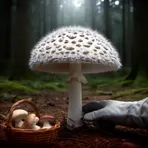
- Specialized
A poisonous mushroom with a pale cap covered in fine grey hairs that grows in European and North American woods

- Specialized
A mildly poisonous mushroom with a sticky reddish-brown cap and white gills and stalk
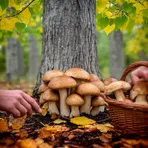
- Specialized
An edible mushroom that grows in large clusters under cottonwood trees
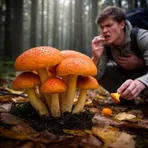
- Specialized
An orange-brown mushroom with a strong, bitter smell and taste that can be poisonous

- Specialized
A mushroom with a cap that has dark streaks in the middle and yellow edges
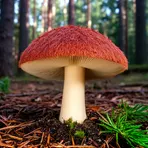
- Specialized
A mushroom with a reddish, hairy cap and pale gills and stem that grows under pine and spruce trees
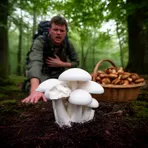
- Specialized
A poisonous white mushroom in the Tricholoma group that can make people sick
Surface Forms
Etymology
Tricholoma comes from Greek parts trich- meaning 'hair' and -loma meaning 'fringe' or 'edge', because some mushrooms in this group have a hair-like or fringed cap rim. So the name helps you remember these are mushrooms often noted for a 'hairy' or rimmed cap.

