
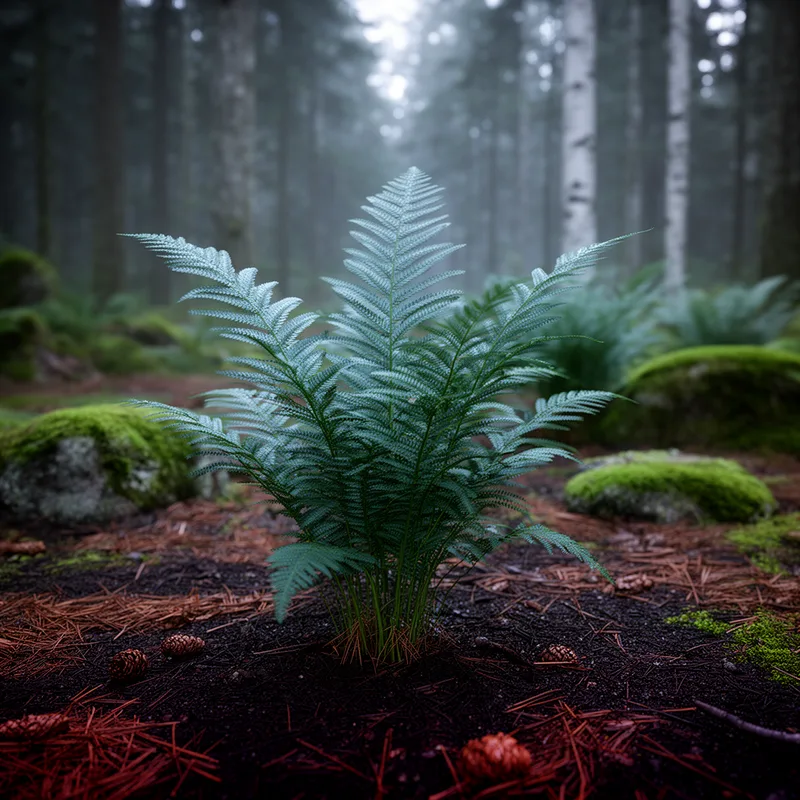
Thelypteris dryopteris
- noun
- Specialized
- The distinctive blue-green fronds of Thelypteris dryopteris made identification easy for the students.
Examples
-
In the shaded glen, clusters of Thelypteris dryopteris covered the forest floor.
-
Botanists noted that Thelypteris dryopteris thrives best in moist, acidic soil.
-
Look at that beautiful Thelypteris dryopteris over there!
-
I found a Thelypteris dryopteris in the forest yesterday.
-
In the shaded glen, clusters of Thelypteris dryopteris covered the forest floor.
-
Botanists noted that Thelypteris dryopteris thrives best in moist, acidic soil.
-
The distinctive blue-green fronds of Thelypteris dryopteris made identification easy for the students.
Synonyms
A small fern with bright blue green leaves that grows in damp woods in cool northern regions

A bright blue-green plant that grows in damp woods in northern regions
Surface Forms
Morphology
The name is a Latin binomial built from taxonomic constituents: 'Thelypteris' (a type of fern) and 'Dryopteris' (a genus/scientific name), so a learner who knows those parts can infer it denotes a species of fern. Binomial nomenclature is a standard, cross-linguistic naming pattern, making the overall meaning compositionally derivable rather than idiomatic.
Etymology
Thelypteris dryopteris is a scientific name that comes from older plant naming: Thelypteris groups certain ferns and dryopteris was used for ferns that often grow by oak trees. So the name gives a picture of a fern living in shady, damp woods, which matches how the plant grows today.

