
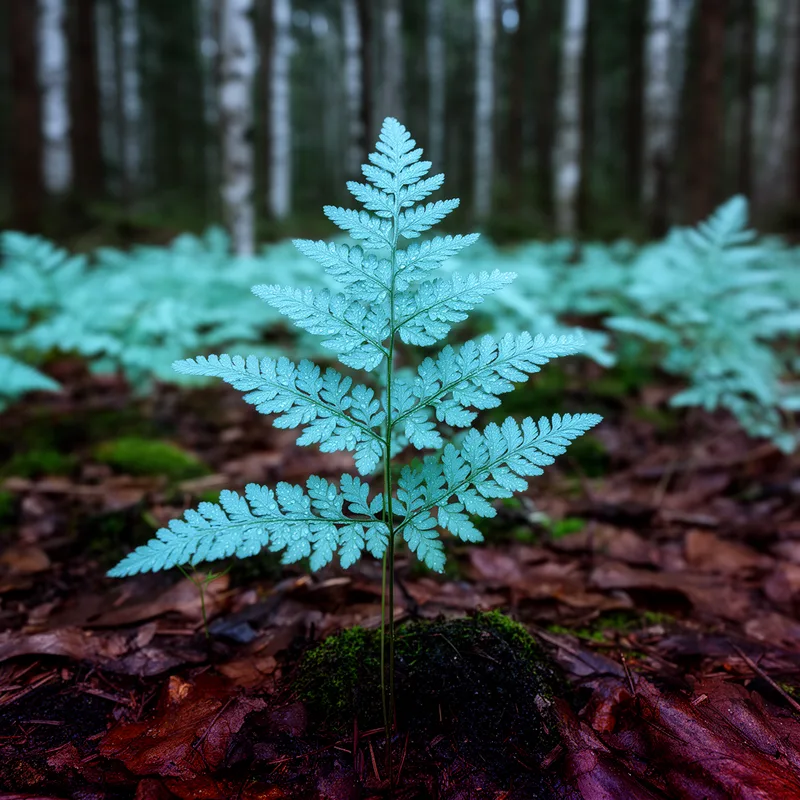
Gymnocarpium dryopteris
- noun
- Specialized
- The woodland floor was carpeted with Gymnocarpium dryopteris thriving in the cool, damp shade.
Examples
-
Botanists identified the distinctive fronds as belonging to Gymnocarpium dryopteris during their field survey.
-
Gymnocarpium dryopteris is often favored in shaded gardens for its delicate appearance.
-
Look at that Gymnocarpium dryopteris!
-
What a beautiful Gymnocarpium dryopteris!
-
Gymnocarpium dryopteris is often used in landscape design for its ability to flourish in shaded, damp environments.
-
During their research, scientists discovered that Gymnocarpium dryopteris is a common sight in northern temperate forests.
-
The Gymnocarpium dryopteris adds a vibrant green to the floor of the woodland, thriving in acidity.
Synonyms

A bright blue-green plant that grows in damp woods in northern regions
A blue-green fern that grows in damp woodlands with acidic soil in cool northern regions
Surface Forms
Morphology
Because the phrase is a Latin binomial composed of a fern name and a genus name, a learner who knows the constituents would recognise it as the scientific name of a fern species (partial compositional information). However, the specific colour, habitat and full meaning in the definition are not derivable from the taxonomic name alone and Latin binomials are technical, so the relation is only partly transparent to a B1 learner.
Etymology
Gymnocarpium dryopteris may come from Greek words meaning 'naked fruit' and 'oak fern', because Gymnocarpium points to the fern's tiny spore 'dots' under the leaf that sit open without a cover, and dryopteris links it to ferns that grow on cool forest floors. That's why the name fits this delicate woodland fern.

