
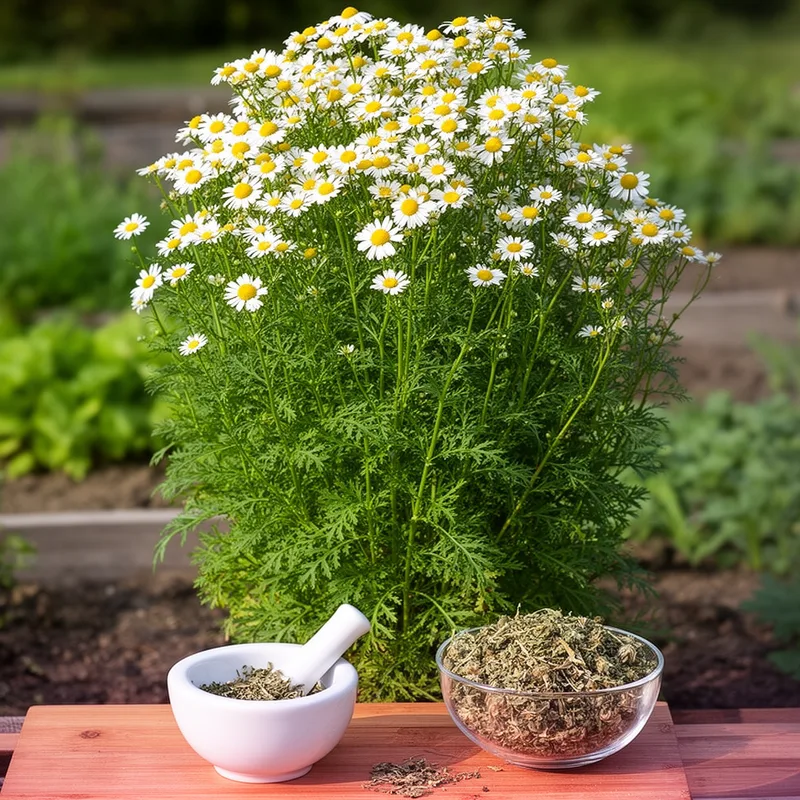
Tanacetum parthenium
- noun
- /ˌtænəˈsiːtəm ˌpɑːrˈθiːniəm/
- Specialized
- Tanacetum parthenium is often grown in herb gardens for its medicinal properties.
Examples
-
The daisy-like flowers of Tanacetum parthenium bloom in early summer.
-
Many people use dried Tanacetum parthenium leaves as a remedy for headaches.
-
I planted Tanacetum parthenium in my garden.
-
Have you seen the Tanacetum parthenium blooming?
-
Feverfew, or Tanacetum parthenium, is often grown in gardens for its medicinal benefits and beautiful white flowers.
-
In traditional herbal medicine, Tanacetum parthenium is commonly used to alleviate migraine headaches.
-
Many people take Tanacetum parthenium as a supplement to help reduce inflammation and improve overall wellness.
Synonyms

 1
9.9
1
9.9

A bushy plant with small white daisy flowers used to make medicine

A small bushy plant with white daisy-like flowers used to make medicine
Surface Forms
Morphology
The form is a Latin binomial (genus + species) and, if a learner knows that 'Tanacetum' and 'Parthenium' refer to flowering plants/herbs, they can reliably infer this denotes a particular plant (i.e. an herb). However, the specific attributes in the definition (bushy, aromatic, medicinal, common name 'feverfew') are specialized botanical/encyclopedic details not directly derivable from the constituent names, so full meaning is not completely predictable.
Etymology
Tanacetum parthenium is the scientific Latin name for the herb better known as feverfew. One popular story says people long ago chewed its bitter leaves to lower 'fever' and ease 'headaches', so the name and the plant's use are tied to its medical role today.