

Parthenium
- noun
- /ˈpɑrθəˌniəm/
- Specialized
- Many species of Parthenium thrive in warm climates.
- white Parthenium
Examples
-
The flowers of Parthenium are small and typically arranged in flat-topped clusters.
-
Many gardeners struggle to control the invasive Parthenium weed in their fields.
-
Parthenium species are commonly found in disturbed areas across North America.
-
The Parthenium plant is often found in gardens.
-
Feverfew, also known as parthenium, is commonly used in herbal medicine for its anti-inflammatory properties.
-
Gardeners often grow parthenium for its attractive yellow flowers and ability to attract beneficial insects.
-
The parthenium plant can often be found in fields and meadows across North America, adding to the biodiversity of the area.
Compounds
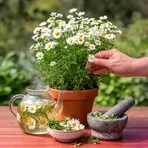
- Specialized
A small bushy plant with white daisy-like flowers used to make medicine
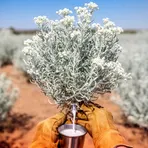
- Specialized
A shrub with many branches, silvery leaves, and small white flowers grown for natural rubber

- Specialized
A harmful weed from the Americas with small white flowers that spreads quickly and damages crops
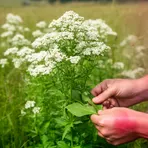
- Specialized
A strong plant with white flowers that lives for many years and has leaves used to treat burns

- Specialized
A bushy scented herb with small white daisy-like flowers that people use as a medicine
Surface Forms
Etymology
Parthenium comes from the Greek word parthenos, which means 'virgin' and is the same root seen in Parthenon. A helpful way to remember it is that this old name was given to a group of small herbs and shrubs, so the ancient word became the modern name for this plant genus.

