

Sphenopsida
- noun
- /ˌsfɛnəˈpɪsɪdə/
- Specialized
- The Sphenopsida are distinguished by their jointed stems and reduced leaves.
Examples
-
Modern horsetails are the only living descendants of the ancient Sphenopsida.
-
Fossils of Sphenopsida have been found in rocks dating back to the Devonian period.
-
The Sphenopsida class includes many ancient plants.
-
The Sphenopsida family is known for its jointed stems.
-
Fossils of Sphenopsida have been found in rocks dating back to the Devonian period.
-
Modern horsetails are the only living descendants of the ancient Sphenopsida.
-
The Sphenopsida are distinguished by their jointed stems and reduced leaves.
Synonyms
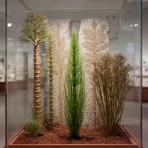
A former group of plants that included horsetails and extinct relatives

A group of non-flowering plants that includes horsetails and similar plants
Surface Forms
Etymology
Sphenopsida comes from Greek parts sphen- meaning 'wedge' and -opsida meaning 'appearance'. A helpful way to remember it is to picture horsetails and their fossil relatives with jointed, stacked stems that look like a row of wedge-like parts, so the name fits this group of plants.

