
Slavicness
9.5
A quality of having the customs, language, and way of life of people from Eastern Europe
- noun
- /ˈslævɪk.nəs/
:
eslavismo
- Her research explored the Slavicness of folk traditions in Eastern Europe.
Examples
-
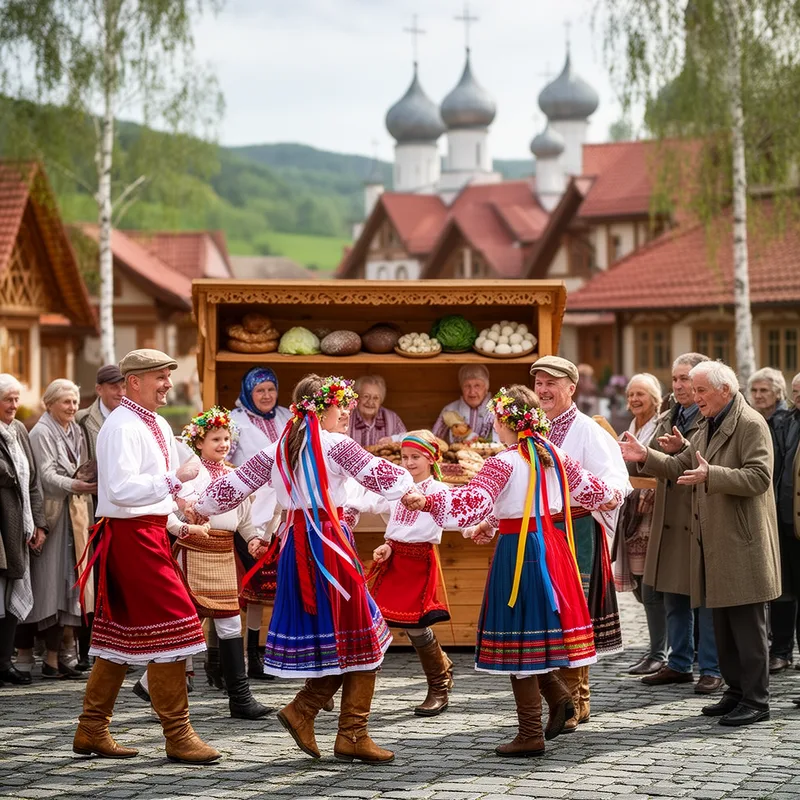
The Slavicness of the festival was evident in the traditional dances.
-
Many novels celebrate a deep sense of Slavicness through their language and customs.
-
He felt an undeniable Slavicness in the architecture of the village.
-
Many artists explore Slavicness in their work.
-
He felt an undeniable Slavicness in the architecture of the village.
-
Her research explored the Slavicness of folk traditions in Eastern Europe.
-
The Slavicness of the festival was evident in the traditional dances.
Surface Forms
Slavicness singular
Slavicnesses plural
Morphology
Etymology
Slavicness comes from Slav, the name for the people and their language, plus the ending -ness, which means 'state' or 'quality', like the -ness in happiness. So Slavicness means the 'Slav' way of being — the qualities, style, or feeling that make something seem Slavic.

