

Sauropodomorpha
- noun
- /ˌsɔːrəˈpɒdəˌmɔːrfə/
- Specialized
- The Sauropodomorpha include some of the largest animals ever to walk the Earth.
Examples
-
The Sauropodomorpha were the largest land animals to ever roam the Earth.
-
Did you know that Sauropodomorpha included both prosauropods and sauropods?
-
Paleontologists study Sauropodomorpha to understand the diversity of prehistoric herbivorous dinosaurs.
-
Recent fossil discoveries have provided new insights into Sauropodomorpha evolution.
-
Paleontologists study Sauropodomorpha to understand the diversity of gigantic herbivorous dinosaurs.
-
The Sauropodomorpha were known for their long necks and massive bodies, making them unique among dinosaurs.
-
Recent discoveries have shown that Sauropodomorpha included both prosauropods and sauropods.
Synonyms
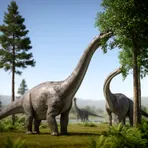
Very large dinosaurs that eat plants with long necks and small heads, like Apatosaurus and Diplodocus
Compounds
- Specialized
Very large dinosaurs that eat plants with long necks and small heads, like Apatosaurus and Diplodocus
How Big


Surface Forms
Morphology
Sauropodomorpha = sauropod (opaque) = sauro + podo + morpha
The name is a Latinized scientific term built from recognizable Greek combining forms, but an average B1 learner cannot infer the taxonomic meaning from those parts alone.
Etymology
The word Sauropodomorpha comes from old Greek parts: sauro- meaning 'lizard', podo- meaning 'foot', and -morpha meaning 'form'. So Sauropodomorpha literally means 'lizard-foot form' and names the group of dinosaurs with lizard-like bodies and feet, including the very large long-necked sauropods.