
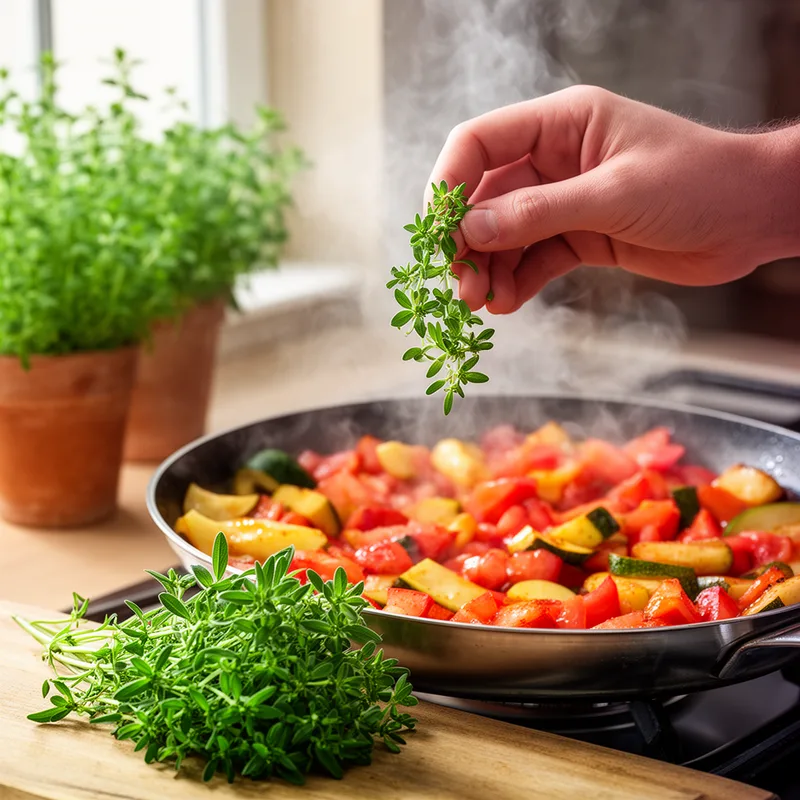
Satureja
- noun
- /sæˈtʊəriə/
- Specialized
- The herb Satureja is prized for its aromatic leaves in Mediterranean cuisine.
Examples
-
Gardeners often plant Satureja to attract beneficial insects and to flavor dishes.
-
I love using Satureja in my pasta dishes.
-
Cooks use both summer and winter Satureja to add a peppery note to their meals.
-
Have you tried adding Satureja to your salads?
-
Chefs worldwide incorporate Satureja for its distinct flavor in their savory dishes.
-
In traditional cooking, Satureja enhances the taste of meats and vegetables.
-
Many people enjoy the zesty flavor of Satureja in their marinades and dressings.
Synonyms

A group of fragrant herbs in the mint family used in cooking

A group of strong-smelling herbs like savory that people use in cooking
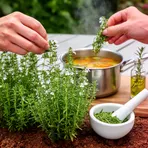
A group of small mint plants like savory that people use for cooking and medicine
Compounds
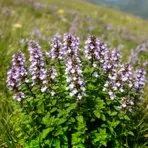
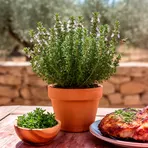
- Specialized
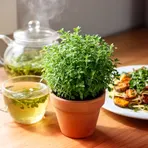
A small evergreen herb from southern Europe with leaves that taste like thyme and that people use to season food
- Specialized
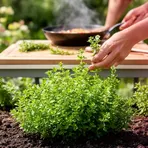
A small herb with a strong smell used to add flavor to food and make herbal tea
- Specialized
A low herb with a strong scent often used in cooking and gardens

- Specialized
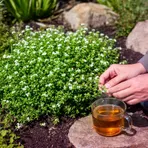
A small plant that smells like mint and is used in gardens and herbal medicine
- Specialized
A creeping evergreen herb with small white flowers that people use as a traditional medicine
- Specialized
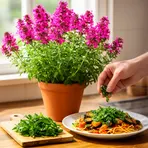
A fragrant herb with large pink flowers often used to flavor food
Surface Forms
Etymology
Satureja likely comes from an old Latin name linked to the mythic satyr, because people long ago said the plant was loved by wild men and spirits. A helpful way to remember it is to think of Satureja as the cooking herb 'savory' that adds a peppery, aromatic taste to food.

