
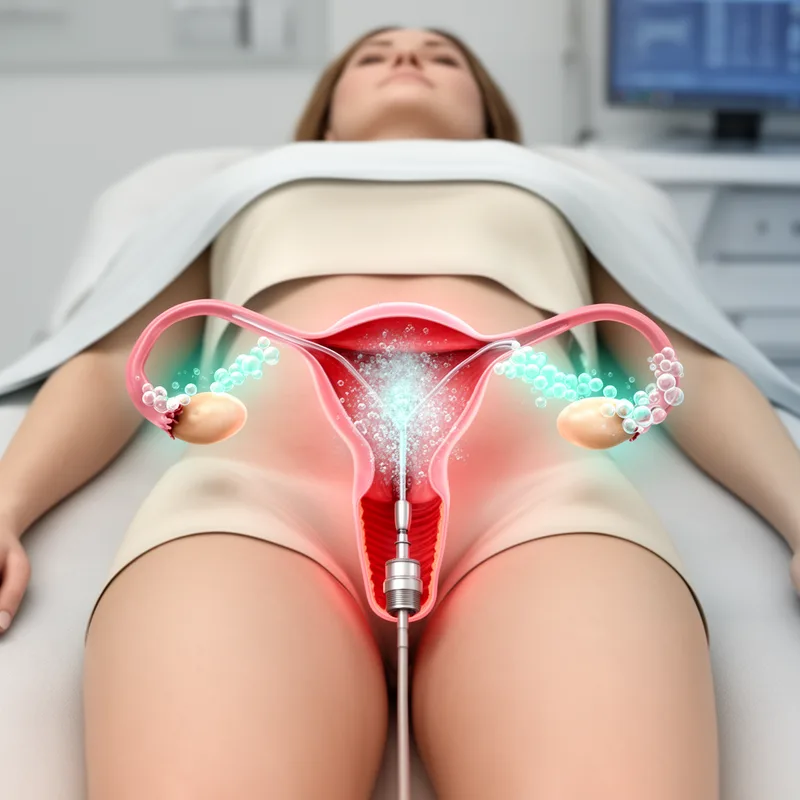
Rubin test
- noun
- /ˈruːbɪn tɛst/
- Archaic
- The doctor performed a Rubin test to check for blockages.
Examples
-
The doctor performed a Rubin test to determine if her Fallopian tubes were open.
-
Many clinics now use less invasive methods than the traditional Rubin test for tubal assessment.
-
After her Rubin test showed both tubes were blocked, further treatment options were discussed.
-
The Rubin test was commonly used in the past to assess infertility causes related to the Fallopian tubes.
-
After the Rubin test, the patient felt relieved.
-
After undergoing a Rubin test, the patient learned that her tubes were clear.
-
Clinics often recommend the Rubin test to check for blockages in the Fallopian tubes.
Synonyms



 1
9.9
An X-ray test that checks the womb and the tubes to the ovaries for blockages
How Invasive
- Specialized
2
7.2

- Specialized
1
9.9
- Archaic
- Specialized
105
4.1
Surface Forms
Morphology
Rubin + test
The component 'test' clearly signals this is a diagnostic procedure, so a B1 learner would infer the general category (a kind of test). However, 'Rubin' is a proper name with no descriptive meaning, so the specific sense—testing Fallopian tube patency by introducing gas—cannot be derived from the parts, making the overall meaning only partially predictable.
Etymology
Rubin test is named after a doctor called Rubin who used a simple, physical check: he put gas into the womb and watched or listened to see if the gas passed through the Fallopian tubes. That's why the name means 'a test to see if the Fallopian tubes are open or blocked'.