
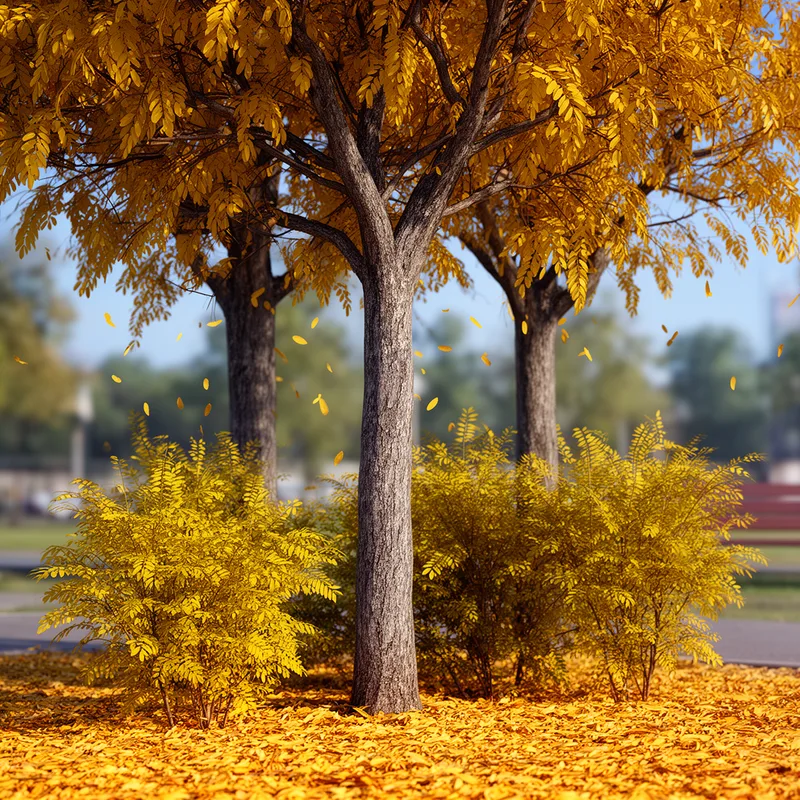
Robinia
- noun
- /roʊˈbɪniə/
- Specialized
- Many city parks feature Robinia trees because they provide ample shade and are resistant to pollution.
Examples
-
Botanists studied the rapid growth of Robinia species in new environments.
-
The Robinia tree grows well in sunny areas.
-
The Robinia in our garden is covered in clusters of fragrant white flowers every spring.
-
Many gardeners prefer Robinia for its beautiful flowers.
-
The black locust (Robinia pseudacacia) is known for its beautiful flowers and durability.
-
Gardeners often choose Robinia trees for their fast growth and attractive foliage.
-
The Robinia genus includes several species that thrive in various soil types.
Compounds
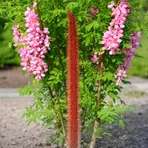
- Specialized
A large shrub or small tree with bristly stems and groups of pink flowers

- Specialized
A large thorny tree from eastern North America with fragrant white flowers

- Specialized
A small rough-barked tree from the southeastern United States with sticky branches, sticky seeds, and pink flower clusters
Surface Forms
Etymology
The word Robinia comes from the French gardener Jean Robin, who brought these North American trees to Europe in the 1600s. Plant names often keep the name of the person who first made them known, so Robinia is used for this group of trees.

