
Rhodococcus


 1
9.9
- proper noun
- /ˌroʊdəˈkɒkəs/
- Specialized
- The Rhodococcus genus includes several species that can affect livestock.
Examples
-
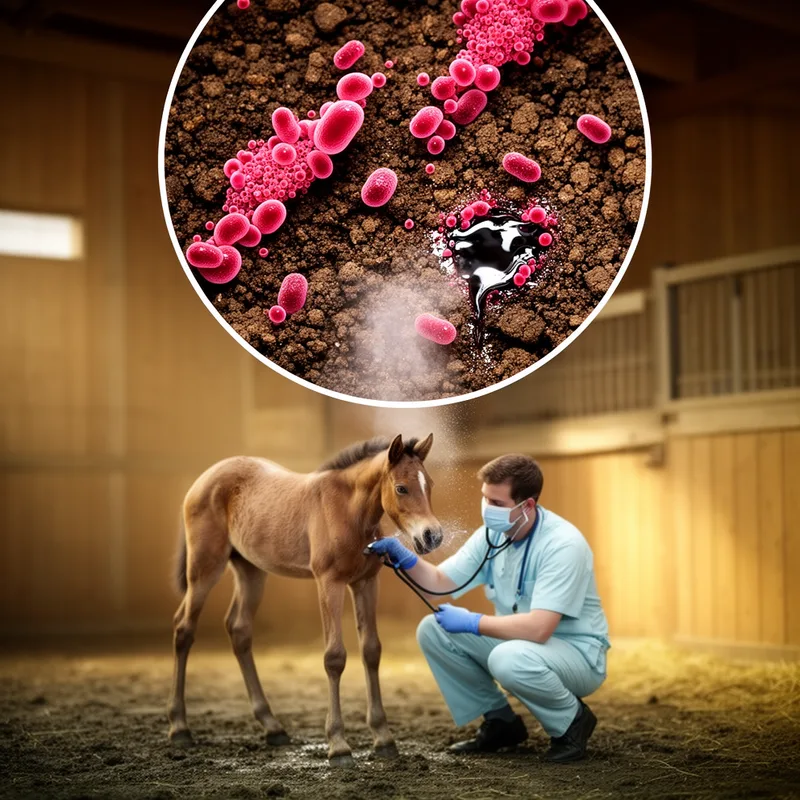
Veterinarians are aware that Rhodococcus can cause pneumonia in young horses.
-
Researchers are studying how Rhodococcus species break down environmental pollutants.
-
Rhodococcus is often found in soil and can sometimes infect animals.
-
Did you know that Rhodococcus can survive in extreme conditions?
-
The veterinarian diagnosed the infection as caused by Rhodococcus equi, which is known to affect horses.
-
Researchers are studying how Rhodococcus species can be used in bioremediation due to their ability to break down pollutants in soil.
-
Outbreaks of disease linked to Rhodococcus have raised concerns among farmers about the health of livestock.
Surface Forms
Morphology
Etymology
Rhodococcus comes from the Greek parts rhodo- meaning 'rose' or 'red' and -coccus meaning 'berry' or 'round', so the name paints a picture of a small, round (sometimes reddish) bacterium and helps explain why it is used for soil bacteria that can sometimes cause disease in animals and humans.