

Pinopsida
- noun
- /ˌpɪnəˈpsɪdə/
- Specialized
- Members of the Pinopsida include pines, spruces, and firs.
Examples
-
The majority of trees in the northern forests belong to the Pinopsida.
-
Scientists study Pinopsida to understand the evolution of gymnosperms.
-
The Pinopsida class includes many species of trees.
-
Many Pinopsidas are adapted to cold climates.
-
Members of the Pinopsida class include coniferous trees such as pines, spruces, and firs.
-
The Pinopsida group of plants is known for its needle-like leaves and reproductive cones.
-
In temperate regions, the majority of evergreen trees are classified under the Pinopsida.
Synonyms

A group of cone-bearing trees that includes pines, firs or spruces
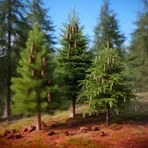
A group of cone-bearing plants like pines and firs
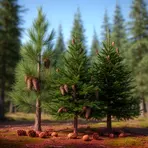
A group of plants that make cones, like pines and spruces
Surface Forms
Morphology
Pinopsida = Pin + opsida
The term is a scientific classification and not transparently analysable in modern English without specialized botanical knowledge.
Etymology
The word Pinopsida comes from the Latin pinus meaning 'pine' and the class ending -opsida used in plant names, so it points to a 'pine-like' group of trees. That's why Pinopsida names the class of conifers such as pines, firs, and spruces.

